Hyundai Bayon CNG to Launch in January 2027, Promises 505-Litre Boot Space, Check Expected Price, Engine and Features
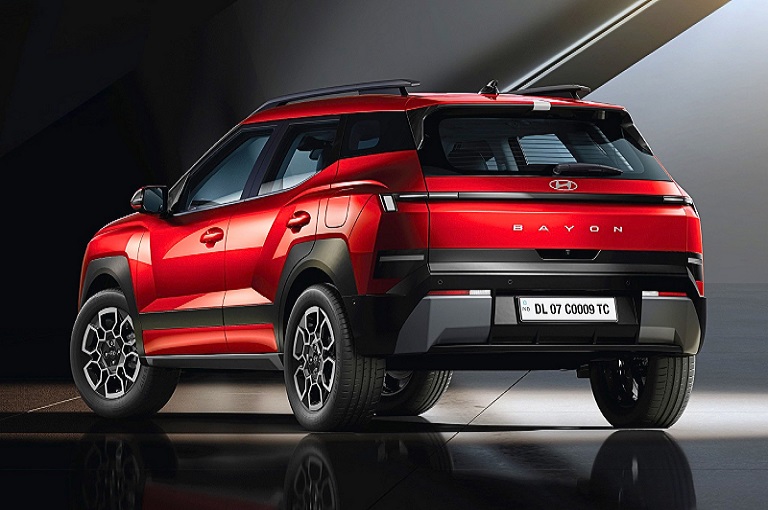
Hyundai Bayon CNG Launch Date India: Hyundai is preparing to introduce the CNG version of its Bayon SUV in the Indian market in January 2027. The announcement has generated interest among buyers looking for a stylish SUV with lower running costs and practical family-friendly features. The petrol version of the Hyundai Bayon has been introduced at a starting ex-showroom price of Rs 9.99 lakh. With the upcoming CNG variant, the company aims to attract customers who want better fuel economy without compromising everyday usability.
One of the biggest highlights of the Hyundai Bayon CNG is the company’s claim that the boot space will not be affected by the addition of the CNG system. In conventional CNG vehicles, the cylinder is often installed in the boot, reducing the space available for luggage. Hyundai is expected to use a space-saving arrangement to address this concern. The upcoming model is also expected to feature a 1.5-litre petrol engine-based CNG powertrain. Here is everything you need to know about the Hyundai Bayon CNG launch date, expected engine specifications, mileage, features, price and rivals.
Hyundai Bayon CNG Launch Date in India
Hyundai has announced that the CNG version of the Bayon SUV will launch in India in January 2027. The new variant is expected to expand the company’s offerings for customers who prefer alternative fuels and want to reduce their daily commuting expenses.
The demand for CNG-powered vehicles remains significant among Indian buyers, particularly those who travel long distances regularly. Lower fuel costs compared with petrol can make CNG vehicles an attractive option for daily commuters, families and commercial users.
The Hyundai Bayon CNG could appeal to buyers seeking a combination of SUV styling, practical cabin space and affordable running costs. However, the exact launch date, booking schedule and delivery timeline are yet to be confirmed.
Hyundai Bayon CNG Engine and Power
1.5-Litre Petrol Engine Expected in the CNG Version
The Hyundai Bayon petrol model comes with a 1.5-litre, four-cylinder, naturally aspirated MPI petrol engine. This engine produces 115 PS of maximum power and 143.8 Nm of peak torque.
Transmission options in the petrol version include a six-speed manual gearbox and an Intelligent Variable Transmission, commonly known as iVT.
The upcoming CNG variant is expected to use the same engine platform with modifications to support CNG operation. However, engine performance figures could be lower when running on CNG compared with petrol.
According to current expectations, the CNG version could deliver approximately 100 PS of power and 125 Nm of torque. These figures are indicative estimates and have not yet been officially confirmed by Hyundai.
The final performance figures will depend on the company’s engine calibration and CNG system configuration.
Six-Speed Manual Gearbox Expected
The Hyundai Bayon CNG is expected to be offered with a six-speed manual transmission. This setup could provide a suitable balance between everyday drivability and fuel efficiency.
The petrol version also offers an iVT automatic transmission, but there is currently no confirmed information about whether an automatic gearbox will be available with the CNG variant.
If Hyundai launches the CNG version exclusively with a manual gearbox, buyers who prefer automatic transmissions may need to consider the petrol variant or other alternatives.
Hyundai Bayon CNG Boot Space: No Compromise on Luggage Capacity
505-Litre Boot Space Could Be a Major Advantage
The petrol-powered Hyundai Bayon offers a claimed boot capacity of 505 litres. This provides substantial room for luggage, shopping bags and travel essentials, making the SUV suitable for families and long-distance journeys.
Boot space is an important consideration for SUV buyers, especially those who frequently travel with multiple passengers or carry large suitcases.
In many CNG vehicles, the cylinder is installed inside the boot, reducing the available luggage area. This can make it difficult to accommodate larger bags and other travel essentials.
Hyundai has stated that the Bayon CNG will use a setup designed to prevent any compromise in boot space. If implemented successfully, this could become one of the vehicle’s most distinctive advantages.
However, the final luggage capacity of the CNG variant, including whether it will retain the full 505-litre capacity, needs to be confirmed through official specifications.
CNG Tank Could Be Positioned Beneath the Boot Floor
The Hyundai Bayon CNG is expected to feature a space-saving CNG tank arrangement, potentially positioned beneath the boot floor or integrated into another suitable area of the vehicle.
Such a configuration could help preserve the luggage compartment while accommodating the additional fuel system required for CNG operation.
For families who regularly travel with luggage, this arrangement could offer a practical advantage over conventional CNG vehicles that sacrifice a significant portion of their boot space.
However, Hyundai has not yet officially disclosed the exact tank location, capacity or installation technology. These details are expected to become clearer closer to the vehicle’s launch.
Hyundai Bayon CNG Mileage: How Fuel-Efficient Will It Be?
Mileage will be one of the most important factors influencing the success of the Hyundai Bayon CNG in India.
The company has not yet announced the official CNG mileage figures. Therefore, the exact distance the SUV will cover per kilogram of CNG remains unknown.
The actual fuel efficiency of a CNG vehicle depends on several factors, including engine tuning, traffic conditions, road quality, driving style, air-conditioning usage and the number of passengers.
Frequent braking and stop-and-go traffic can affect mileage in urban areas, while driving at a consistent speed on highways may produce different results.
Despite the absence of official figures, the CNG variant could offer lower running costs than the petrol version, depending on local fuel prices and driving conditions.
Customers should also consider the availability of CNG stations in their city before purchasing the vehicle. Convenient refuelling access can significantly influence the practicality of owning a CNG-powered SUV.
The official mileage figures will help buyers make a more informed comparison with rival CNG models.
Hyundai Bayon CNG Features and Design
The Hyundai Bayon is positioned as a stylish SUV with a modern design and a practical cabin. The CNG version is expected to retain much of the petrol model’s overall design, although the company has not yet disclosed the complete feature list for the upcoming variant.
Buyers can expect Hyundai to focus on everyday comfort, cabin usability and essential convenience features. However, the availability of specific equipment will depend on the selected variant.
Features such as the infotainment system, smartphone connectivity, sunroof, parking camera, airbags and other safety technologies should be checked against the final CNG variant specifications.
It is important to note that every feature available in the petrol version may not necessarily be offered in the CNG model.
The final equipment list and trim-wise feature distribution will play an important role in determining the overall value of the upcoming SUV.
Hyundai Bayon CNG Price in India
CNG Variant Expected to Cost More Than the Petrol Model
The Hyundai Bayon petrol range starts at Rs 9.99 lakh and goes up to Rs 17.99 lakh, ex-showroom, according to the available model information. The petrol version is offered in seven trim levels.
Hyundai has not announced the price of the Bayon CNG yet. However, the CNG version could cost more than its equivalent petrol variant because of the additional fuel system and related components.
The final price will depend on the variants in which Hyundai introduces the CNG option and the features included in each trim.
If the company offers CNG in an entry-level variant, it could make the vehicle more accessible to budget-conscious buyers. On the other hand, restricting CNG availability to higher trims could result in a higher starting price.
Customers should also remember that ex-showroom prices do not include all the costs associated with purchasing a vehicle. Registration, insurance and other applicable charges can increase the final on-road price.
Comparing the on-road prices of the petrol and CNG variants will help buyers understand the additional upfront investment required.
Hyundai Bayon CNG Rivals in India
The Hyundai Bayon CNG could compete with CNG-powered alternatives such as the Maruti Suzuki Victoris CNG, Maruti Suzuki Grand Vitara CNG and Toyota Urban Cruiser Hyryder CNG.
These models cater to buyers looking for SUV styling and the potential running-cost benefits of CNG technology. However, their engine specifications, transmission options, equipment levels and prices may differ.
The Maruti Suzuki Victoris CNG could appeal to customers seeking a modern SUV with practical features and lower fuel expenses. The Grand Vitara CNG and Toyota Urban Cruiser Hyryder CNG are also relevant alternatives for buyers considering a CNG-powered SUV.
The Hyundai Bayon CNG’s competitiveness will largely depend on its final price, fuel efficiency, luggage capacity and available features.
If Hyundai manages to preserve the boot space while offering competitive running costs, the vehicle could establish a distinct position among buyers who prioritise both practicality and economy.
Who Should Consider the Hyundai Bayon CNG?
The upcoming Hyundai Bayon CNG could be a suitable option for customers who drive regularly and want to reduce their fuel expenses.
It may also appeal to families that need an SUV with enough luggage space for weekend trips, holidays and everyday activities.
Buyers who cover substantial monthly distances and have convenient access to CNG stations may benefit more from the potential savings offered by a CNG vehicle.
However, those who drive relatively short distances or have limited access to CNG refuelling facilities should also consider whether the petrol version would better suit their needs.
Before making a purchase decision, buyers should compare the initial price difference, expected fuel savings, servicing costs, warranty coverage, CNG tank capacity and luggage space.
The overall ownership cost is more important than mileage alone when determining whether a CNG vehicle makes financial sense.
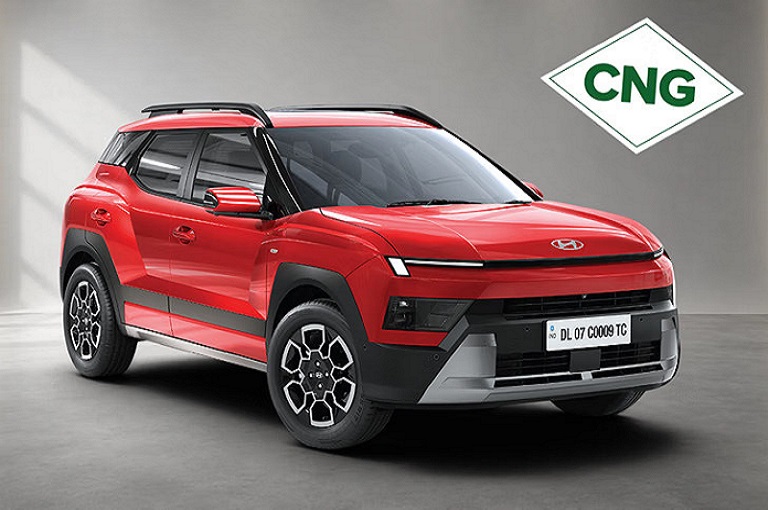
Hyundai Bayon CNG Launch 2027: Key Details at a Glance
The Hyundai Bayon CNG is scheduled to launch in India in January 2027. It is expected to use a 1.5-litre petrol engine-based CNG powertrain, with estimated output figures of around 100 PS and 125 Nm of torque. These performance figures remain unconfirmed.
The petrol model offers a claimed 505-litre boot capacity, and Hyundai says the CNG version will be designed to avoid compromising luggage space. A tank positioned beneath the boot floor is one possible solution, although the exact arrangement has not been officially disclosed.
The CNG variant’s price, mileage, tank capacity, final feature list and trim availability are still awaited.
Overall, the Hyundai Bayon CNG could become an interesting option for Indian buyers looking for a stylish SUV with potentially lower running costs and practical luggage capacity. Its success will depend on competitive pricing, real-world fuel efficiency and whether Hyundai can deliver on its promise of preserving boot space.
With the January 2027 launch approaching, buyers should watch for official announcements regarding specifications, pricing and booking details before making a final purchase decision.
About The Author