Your Pollution-Prep Checklist: 6 Steps to Breathe Easier This Season
Each year around October and November, Delhi and several northern cities slip under a thick blanket of smog, with air quality dropping to dangerously poor levels. Currently, 99 out of the 100 most polluted cities in the world are in India[1]. With the spike in AQI, people often close windows and doors to keep outdoor pollution out. However, without effective air purification and carefully timed ventilation, this can also trap pollutants inside the home.
Stuart Thompson, Dyson Engineer, shares a practical checklist to help prepare your home ahead of peak pollution season.
- Stop pollutants at the door
A small change, such as placing microfibre doormats at your doorstep, can make a noticeable difference in maintaining indoor air quality. Even better, make your home a shoe-free zone. Encourage guests and family members to leave their footwear at the entrance. Shoes[2] can carry dust, pollen, and other outdoor pollutants into your home, so wiping or removing them helps significantly reduce indoor particulate matter.
- Investing in an Air Purifier is the need of the hour
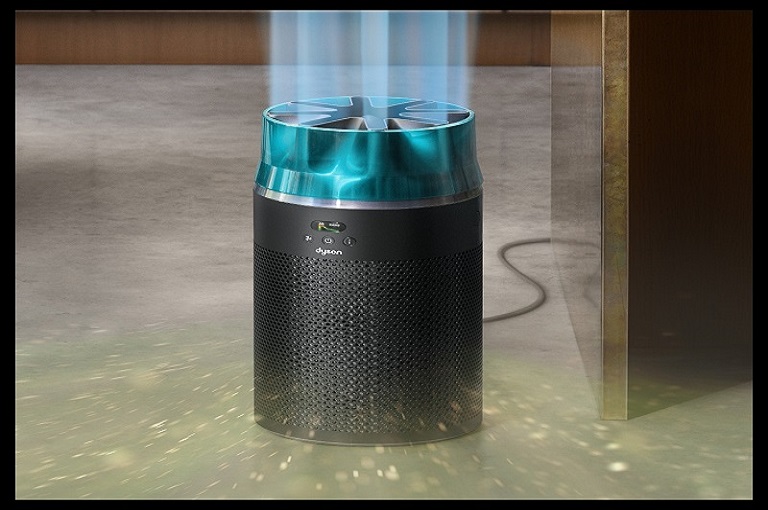
An advanced air purifier can help capture airborne particles such as dust, pollen, mould spores and other pollutants, cleaning your indoor air throughout the season. With Dyson HushJet Purifier Compact whole-room purification can be delivered in a compact format. Its 360° electrostatic filter captures 99.97% of particles as small as 0.3 microns, while its activated carbon filter helps remove odours and gases such as NO₂. Its intelligent particle sensing also detects PM2.5 and automatically reacts to changes in air quality, helping maintain cleaner air without constant monitoring.
- Filters to the rescue
Filters trap pollutants and clogged or old filters can reduce the air purifier’s efficiency, allowing dust, pollen and other allergens to circulate indoors. Choosing a purifier with a longer filter life can help reduce the frequency of filter replacements. With up to five years of filter life, the Dyson HushJet Purifier Compact is designed to offer longer-lasting filtration while also notifying you via the MyDyson™ app or directly on the machine when it’s time to replace the filter.
- Give soft furnishings a deeper clean
Carpets, rugs, sofas and other soft furnishings can collect dust, pet hair and allergens over time, making regular cleaning particularly important during peak pollution season. These can be disturbed and recirculated through everyday use, making regular cleaning particularly important during peak pollution season. For a more thorough clean across different surfaces, a vacuum that can adapt its performance to the floor type can make a difference. Newly launched Dyson V16 Piston Animal does this with intelligent floor sensing, automatically adjusting suction and brush bar speed as it moves between surfaces. Its All-Floor Cones™ Sense cleaner head helps deep clean carpets, while its anti-tangle conical brush bars remove and de-tangle hair. Used in handheld mode with its attachments, it can also help clean sofas, mattresses and other hard-to-reach areas where dust and debris accumulate.

- Look beyond visible dust
Not all indoor pollutants are visible. Everyday activities such as cooking and cleaning, as well as personal-care products, can introduce gases and other pollutants indoors. During peak pollution periods, limit the use of strongly fragranced products and ventilate your home when outdoor pollution levels are lower.
For pollutants beyond what can be seen, the Dyson HushJet Purifier Compact combines particle filtration with an activated carbon filter designed to remove odours and gases, including NO₂.
- Keep windows closed during peak pollution
When outdoor air quality is poor, keeping windows and doors closed helps limit smog, dust, and pollutants from entering your home. Ironically, as we increasingly seal our homes to keep outdoor pollution out, we may also be trapping pollutants inside, especially without actively using air purification methods. Moreover, outdoor pollutants can easily infiltrate indoor spaces, making our homes equally vulnerable. Use exhaust fans in kitchens and bathrooms to manage moisture and indoor pollutants. It is also recommended to ventilate during periods when outdoor pollution is relatively lower.
Ahead of peak pollution season, a few simple steps can support better indoor air quality. Keeping outdoor pollutants at the door, actively purifying indoor air and maintaining regular cleaning routines can help create a cleaner home environment.
About The Author