India Takes Major Step Towards Hosting 2036 Olympics and Paralympics, Presents Vision and Roadmap Before IOC, Ahmedabad at the Centre of Bid
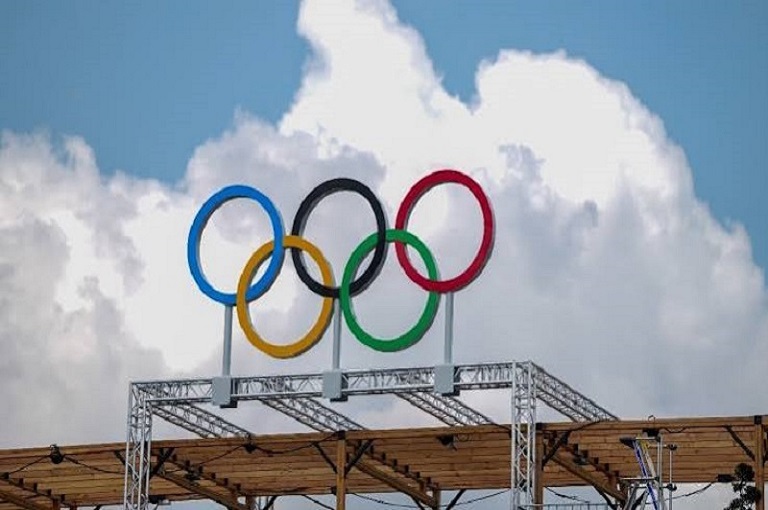
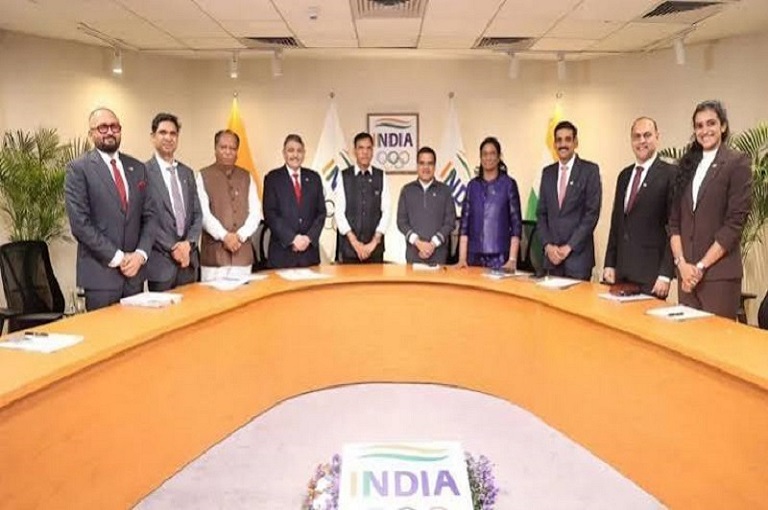
India has taken a significant step towards hosting the 2036 Olympic and Paralympic Games by presenting its vision and roadmap before the International Olympic Committee (IOC). On Thursday, November 26, 2026, the Indian Olympic Association (IOA) made a virtual presentation before the IOC’s Future Host Commission, highlighting Ahmedabad’s preparations, proposed sports infrastructure, potential venues and long-term plans for organising the world’s biggest sporting event.
The presentation marked an important development in India’s efforts to secure the hosting rights for the 2036 Olympic and Paralympic Games. The Indian delegation highlighted the country’s ambition to become a global destination for major international sporting events, with Ahmedabad positioned as the central hub of the proposed Olympic plan.
Several prominent personalities from the Indian sports and political establishment participated in the virtual meeting. Union Sports Minister Mansukh Mandaviya, Gujarat Deputy Chief Minister Harsh Sanghavi, Indian Olympic Association President PT Usha, IOA CEO Raghuram Iyer and PV Sindhu, Chairperson of the IOA Athletes Commission, were among those present. India’s IOC member Nita Ambani also participated in the presentation.
India highlighted its proposed sports infrastructure, venue development plans, government support and experience in hosting international sporting competitions. The country also underlined the importance of the 2030 Commonwealth Games, which Ahmedabad is scheduled to host, describing the event as an important milestone in preparations for the 2036 Olympics.
However, the IOC has not yet selected the host country or city for the 2036 Games. India is currently among seven countries participating in the Continuous Dialogue phase with the IOC. The next stage, known as Strategic Dialogue, is expected to begin in March 2027.
India Presents Its Vision for the 2036 Olympic and Paralympic Games
The Indian Olympic Association presented a comprehensive vision outlining the country’s preparations and ambitions for hosting the 2036 Olympic and Paralympic Games.
The presentation focused primarily on Ahmedabad and its potential to become an international sporting destination. India shared details about existing sports facilities, proposed infrastructure development, potential competition venues and the coordination required between different levels of government.
The roadmap also addressed the broader requirements of hosting an international sporting event of Olympic scale. These include accommodation for athletes and officials, transportation facilities, security arrangements, healthcare services, technology infrastructure and facilities for spectators.
Hosting the Olympics requires extensive planning and coordination involving national governments, state administrations, sporting organisations and local authorities. India highlighted the importance of collaboration between the central government, Gujarat government and local administration to support the proposed event.
The presentation was intended to communicate India’s long-term vision and demonstrate its commitment to developing the infrastructure required for the Games.
Ahmedabad at the Centre of India’s Olympic Hosting Plan
Ahmedabad emerged as the central focus of India’s presentation before the IOC Future Host Commission.
The city is being positioned as the proposed main hub for the 2036 Olympic and Paralympic Games. India’s presentation highlighted plans for developing world-class sporting facilities, proposed competition venues and supporting infrastructure.
For an event as large as the Olympics, a host city needs more than stadiums and sporting arenas. It must also provide efficient transportation, accommodation, medical facilities, security systems and modern urban infrastructure.
India’s proposed roadmap considered these requirements while highlighting Ahmedabad’s potential to accommodate major international sporting competitions.
The development of sports infrastructure could also provide long-term benefits to the city. Modern sporting venues, training facilities and improved urban infrastructure could support local athletes, encourage sporting participation and strengthen Ahmedabad’s position as a major destination for international events.
However, the final venue arrangements and hosting responsibilities will depend on the IOC’s evaluation and subsequent selection process.
2030 Commonwealth Games to Become a Major Test for India
One of the most important aspects of India’s 2036 Olympic ambition is Ahmedabad’s scheduled hosting of the 2030 Commonwealth Games.
India is looking at the Commonwealth Games as an important opportunity to demonstrate its ability to organise large-scale international sporting events.
The 2030 competition will require extensive arrangements involving stadiums, training facilities, athlete accommodation, transportation, security and event management.
Successfully organising the Commonwealth Games could provide valuable experience in managing international sporting competitions. The experience gained through planning, infrastructure development and coordination could also contribute to India’s preparations for the 2036 Olympics.
Another important advantage is the possibility of using some of the infrastructure developed for the Commonwealth Games in future sporting events.
However, the Olympics feature a much larger programme of sports and involve different technical and operational requirements. Additional facilities and upgrades may therefore be necessary.
The 2030 Commonwealth Games could serve as an important opportunity for India to demonstrate its organisational capabilities to the international sporting community.
30-Minute Presentation Followed by Detailed Discussions
The Indian delegation delivered a presentation lasting approximately 30 minutes before the IOC Future Host Commission.
Following the presentation, representatives from both sides held discussions on various aspects of the proposed hosting plan.
The discussions covered several important areas, including the proposed event structure, estimated expenditure, funding arrangements, venue masterplan and the long-term benefits of hosting the Games.
Proposed Venues and Infrastructure Masterplan
India presented information about its proposed sporting venues and infrastructure development plans.
An Olympic venue masterplan is one of the most important elements of a hosting proposal. It identifies the locations where different sporting competitions could take place and outlines the facilities required for athletes, officials and spectators.
The plan also needs to consider accessibility, transportation connectivity and the distance between different competition venues.
Estimated Costs and Funding Arrangements
Organising the Olympic Games requires substantial financial resources.
Expenses include the construction and modernisation of sporting venues, transportation infrastructure, security arrangements, accommodation, technology and operational management.
India discussed the financial aspects of its proposal, including potential expenditure and funding arrangements.
A sustainable financial model is essential to ensure that the hosting project remains economically viable and does not create unnecessary long-term financial burdens.
Coordination Between Central and State Governments
Hosting the Olympics requires cooperation between several government departments and institutions.
The central government, state government, local administration and sporting organisations must work together to ensure that preparations are completed efficiently.
India highlighted government support and administrative coordination as important components of its proposed hosting roadmap.
Long-Term Benefits of Hosting the Olympics
The discussions also considered the legacy that the Games could leave behind.
The long-term benefits of hosting the Olympics may include improved sports infrastructure, better training facilities, tourism development, employment opportunities and increased international visibility.
Ensuring that sporting venues remain useful after the Games is an important consideration in modern Olympic planning.
Seven Countries in Dialogue With the IOC for the 2036 Olympics
India is not the only country interested in hosting the 2036 Olympic and Paralympic Games.
According to the information shared about the ongoing process, seven countries are currently participating in the IOC’s Continuous Dialogue phase.
These countries are:
- India
- Germany
- Hungary
- Qatar
- South Korea
- South Africa
- Turkey
Each country is discussing its hosting ambitions and proposed plans with the IOC.
The Continuous Dialogue phase allows interested countries to communicate their initial ideas, understand the requirements of the Olympic hosting process and discuss potential hosting concepts.
It does not mean that all participating countries have reached the final selection stage.
The IOC evaluates different aspects of hosting proposals, including infrastructure, financial sustainability, government support, transportation, operational capacity and the long-term benefits of the Games.
Strategic Dialogue Expected to Begin in March 2027
The next important milestone in India’s Olympic bid is the proposed Strategic Dialogue phase, which is expected to begin in March 2027.
This stage is expected to involve more detailed discussions about potential hosting proposals.
Important considerations may include:
- Availability and development of international-standard sporting venues.
- Financial planning and funding arrangements.
- Transportation and accommodation infrastructure.
- Security and operational management.
- Government support and administrative coordination.
- Environmental sustainability.
- Accessibility and facilities for Paralympic athletes.
- Long-term benefits for the host city and country.
The Strategic Dialogue phase will be important for countries seeking to advance their hosting ambitions.
India will need to demonstrate not only its vision but also the practical feasibility of its proposed plans.
Why Hosting the 2036 Olympics Would Be Significant for India
Hosting the Olympic and Paralympic Games would represent a major milestone in India’s sporting ambitions.
The event could create opportunities across several sectors, including sports, infrastructure, tourism, transportation and urban development.
Major Boost to Sports Infrastructure
Preparing for the Olympics could accelerate the development of world-class sporting facilities, training centres and modern competition venues.
These facilities could provide Indian athletes with better opportunities to train and compete at international standards.
New Opportunities for Indian Athletes
Improved sports infrastructure and access to professional training facilities could help strengthen India’s sporting ecosystem.
Young athletes could benefit from better training environments, modern equipment and greater exposure to competitive sports.
Growth in Tourism and Economic Activities
The Olympics attract athletes, officials, tourists, journalists and spectators from across the world.
If India secures the hosting rights, the event could create opportunities for the hospitality, transportation, tourism, food and service industries.
It could also increase Ahmedabad’s international visibility as a destination for major sporting and cultural events.
Greater Focus on Paralympic Sports
India’s proposal includes hosting both the Olympic and Paralympic Games.
This creates an opportunity to improve accessible infrastructure and strengthen support systems for athletes with disabilities.
Accessible sporting venues, accommodation, transportation and public facilities would be essential components of the preparations.
Major Challenges India Must Address
Although India’s presentation represents an important step, hosting the Olympic and Paralympic Games involves several major challenges.
The first major requirement is developing world-class sporting infrastructure within the required timeline. Every competition venue must meet the relevant international standards and technical requirements.
Transportation will also be a critical factor. Athletes, officials, spectators and media representatives must be able to travel efficiently between sporting venues and accommodation facilities.
Financial planning is another important challenge. The government and organising authorities will need to develop a sustainable funding model that balances infrastructure investment with operational expenses.
Security, healthcare, accommodation and digital infrastructure will also require extensive preparation.
Environmental sustainability will be equally important. Modern Olympic planning places significant emphasis on reducing environmental impact and ensuring that venues remain useful after the event.
Furthermore, accessibility must be integrated into the planning process to ensure that Paralympic athletes and spectators with disabilities can use all essential facilities comfortably.
Will India Host the 2036 Olympic and Paralympic Games?
India has formally presented its vision and roadmap to the IOC, but the final decision on the host country or city is still pending.
The country is currently participating in the Continuous Dialogue phase alongside six other nations.
The upcoming Strategic Dialogue phase, expected to begin in March 2027, will be an important development in the selection process.
Ahmedabad’s preparations for the 2030 Commonwealth Games could also become an important opportunity for India to demonstrate its infrastructure development and event management capabilities.
However, securing the Olympic hosting rights will depend on the IOC’s evaluation and the subsequent selection process.
Conclusion
India’s presentation before the IOC Future Host Commission marks an important development in its ambition to host the 2036 Olympic and Paralympic Games.
By placing Ahmedabad at the centre of its proposal, India has highlighted its plans for world-class sports infrastructure, government coordination, financial planning and long-term urban development.
The 2030 Commonwealth Games could become a significant milestone in this journey by providing an opportunity to demonstrate India’s ability to organise major international sporting events.
With the next stage of discussions expected in March 2027, India’s Olympic hosting ambitions will enter another important phase.
Although the final decision is yet to be made, the presentation reflects India’s intention to strengthen its position in international sports and pursue the opportunity to host one of the world’s biggest sporting events in 2036.
About The Author