OpenAI is soon going to launch AI-powered web browser – giving tough competition to Google Chrome
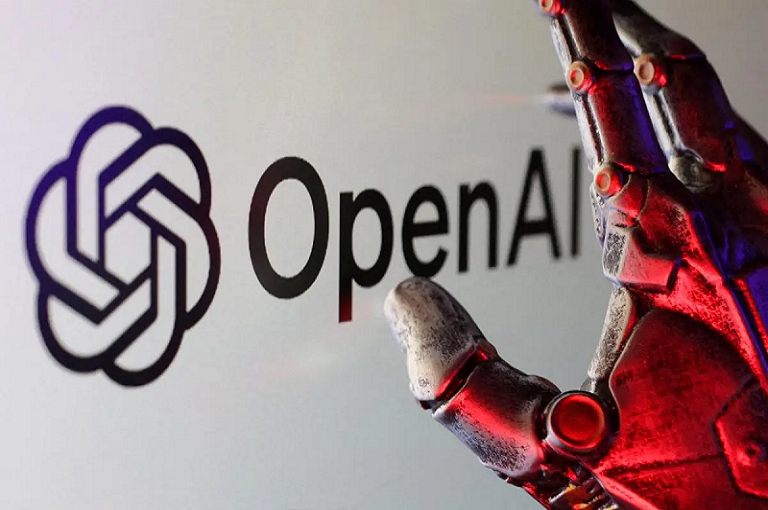
ntroduction: OpenAI’s New Digital Era
OpenAI is gearing up to launch its AI-powered web browser, set to challenge established browsers like Google Chrome. According to reports, it could arrive within the “coming weeks” . Built on Chromium’s open-source foundation, its standout feature will be its advanced AI capabilities.
Chat-Based Interface
A major attraction of this new browser is its chat-style interface, which transforms web browsing into a conversational experience similar to ChatGPT. Instead of clicking links, users can ask questions in natural language—like “find nearby restaurants”—and the browser’s AI will respond. OpenAI sees this as a potential fundamental shift in user interaction .
Operator Agent: Your AI Assistant
The browser will integrate OpenAI’s Operator agent—an AI automation tool that can fill out online forms, book tickets, and make reservations on your behalf . Analyzing your browsing history and behavior, it can offer smart suggestions and take proactive actions for tasks like travel and shopping.
Fast, Safe, and Smart Browsing
OpenAI claims their browser will be not only fast and secure but also intelligent—offering real-time web access, smart recommendations, content summarization, and quick word-of-mouth results. A clean interface, intuitive navigation, and privacy-first design are key focus areas .
Data Control & Ad Strategy
Though built on Chromium, the browser is about data control. Google uses Chrome to fuel its ad-based revenue model. OpenAI’s version aims for more direct management of user data, enabling a stronger foothold in digital advertising .
Chrome currently boasts over 3 billion users and commands more than two-thirds of the global market share. OpenAI’s new browser could pose a real threat to Google’s ad revenue stream 1.
Market Power & Competition
Despite Chrome’s global track record, several other browsers have already introduced AI-powered experiences. Opera launched its Aria and Browser Operator agents in English-speaking markets, offering not only a chat-based interface but also handling activities like form-filling, shopping, and booking.
Additionally, Brave Leonis, which integrates an LLM-based chatbot named Leo into the Brave Browser, provides features like page summaries, question-answering, and privacy-focused AI.
Meanwhile, Perplexity has launched an AI web browser called Comet, which uses its sidebar assistant for real-time search, content summarization, product comparison, and task automation.
In this landscape, OpenAI—leveraging the power of ChatGPT and its Operator agent—can adopt a major user-centric strategy that may establish it as a leading competitor.
Will Google Fight Back?
Chrome itself recently added an AI Mode to integrate AI into Google Search. With OpenAI entering the ring, Google may ramp up its AI features even further. Meanwhile, legal pressure is growing: the DOJ has argued that Chrome’s market position supports its antitrust case .
Potential Impacts & Challenges
- User Adoption: If the browser captivates OpenAI’s 400–500 million weekly ChatGPT users, it could shift the balance in Chrome’s favor .
- Privacy & Security: Ensuring clear user data usage and compliance with privacy laws will be critical.
- Technical Complexity: The AI agents must perform effectively across a wide variety of websites and interactions .
Launch Timeline
Sources indicate the browser will debut in the coming weeks, possibly by late July 2025, though OpenAI has not yet confirmed the exact date . According to TechCrunch, July 15, 2025 has been mentioned as a potential milestone, though it remains speculative . OpenAI’s recent hiring of former Google Chrome engineers further underscores the seriousness and precision of this project .
Adding to its strategic depth, OpenAI acquired io, a hardware startup led by Apple’s ex-designer Jony Ive, in May 2025 for approximately $6.5 billion—signaling a push not just into software but into hardware-integrated AI experiences. This suggests the browser may be part of a broader ecosystem, possibly interacting with purpose-built AI devices.
Launch success will likely depend on synchronizing the browser’s release with Operator’s wider rollout and the integration of chat-based AI features already in testing. As weeks pass, all eyes will be on OpenAI’s official announcement timeline and beta previews.
Conclusion: An AI-Led Browsing Experience
OpenAI’s browser could redefine web browsing—not merely as a browser but as a seamless, AI-enhanced experience that controls user data, integrates intelligent automation, and competes directly with Google’s ecosystem. If it delivers speed, security, simplicity, and effective AI assistance, it could pose a significant challenge to Chrome’s dominance.
About The Author