12-Team World Test Championship Could Be the Next Big Change in Test Cricket

Zimbabwe, Ireland and Afghanistan Could Join the 2029-31 WTC Cycle
The World Test Championship could be heading for one of its biggest changes yet. The next WTC cycle from 2029 to 2031 could feature 12 teams instead of the current nine, with Zimbabwe, Ireland and Afghanistan potentially joining the competition.
Cricket Australia CEO Todd Greenberg has indicated that discussions are underway to create a broader WTC structure that could give every Test playing nation an opportunity to compete in the championship.
A major change being considered is the inclusion of one Test series in the WTC points system. Under the current rules, a WTC series must have at least two Tests. Removing that requirement could give smaller Test playing nations a much better opportunity to participate in the global championship.
A crucial decision on the proposed changes is expected during the upcoming International Cricket Council meetings in Bali.
WTC Could Expand From Nine Teams to Twelve
The World Test Championship was introduced in 2019 with the aim of giving Test cricket a structured and competitive global framework.
The current WTC format features nine teams. Each team plays six Test series during a two year cycle, with three series at home and three away.
The system was designed to provide a balance between home and away cricket while giving teams a clear route toward the WTC Final.
However, the global Test landscape has changed considerably since the championship began. Several nations outside the established Test playing group are looking for more opportunities to play the longest format.
The proposed 12 team model could be an important step toward creating a more inclusive Test cricket structure.
Zimbabwe Could Get a Major Boost
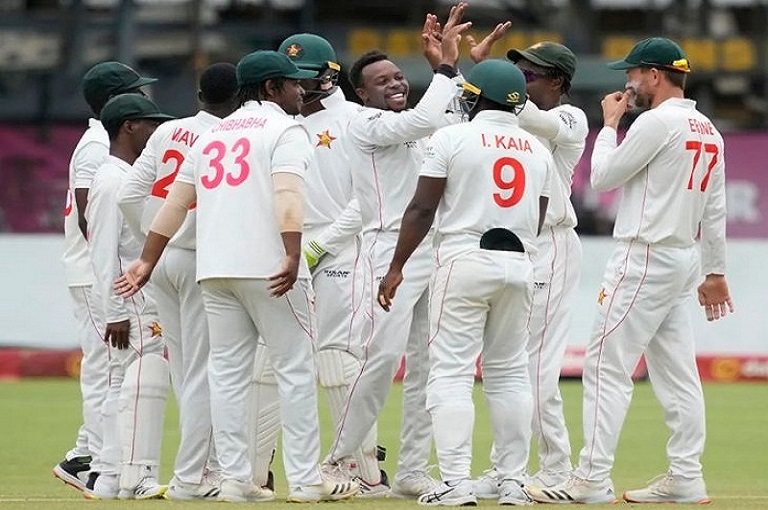
Zimbabwe has a long history in international cricket but has struggled to secure a consistent schedule of Test matches.
A place in the WTC would give Zimbabwe a regular competitive target and potentially increase the number of meaningful Test matches played by the country.
It could also provide greater motivation for domestic players and young cricketers to develop their skills in the red ball format.
Ireland Could Strengthen Its Test Future
Ireland has been working to establish itself as a serious Test playing nation since receiving Test status.
However, one of the biggest challenges has been the limited number of Test matches available to the team.
A place in the WTC could completely change that situation. Regular involvement in the championship could help Ireland develop a stronger Test cricket culture and provide its players with more experience at the highest level.
Afghanistan Could Enter a New Era
Afghanistan has already made a significant impact in international cricket, particularly in limited overs cricket.
The country has also continued to develop its Test cricket program despite having relatively limited experience in the longest format.
A potential WTC entry could be a major milestone for Afghan cricket. Regular Test matches against stronger opponents would provide valuable experience and could accelerate the development of the country’s red ball cricket system.
One Test Series Could Finally Count for WTC Points
One of the most important proposed changes involves one Test series.
Under the current WTC rules, a series must consist of at least two Tests to be included in the championship.
That rule can create problems for countries that struggle to find space for longer Test series in an increasingly crowded international calendar.
If one Test matches are allowed to contribute to the WTC standings, more bilateral Tests could become meaningful.
Why This Change Could Be Revolutionary
A one Test series may not have the same depth as a three or five Test contest, but it could still provide an important opportunity for teams to earn WTC points.
For smaller Test nations, even a single match against a major cricketing country could become extremely valuable.
It would also give cricket boards greater flexibility when planning their Future Tours Programme.
The Biggest Challenge Will Be Financial Sustainability
Expanding the WTC to 12 teams sounds exciting, but the financial reality of Test cricket remains a major concern.
Todd Greenberg has pointed out that the cost of Test cricket goes far beyond simply sending 11 players onto the field.
A successful Test cricket system requires strong domestic competitions, player development programs, coaching structures, facilities and long term investment.
For smaller cricket boards, maintaining this entire ecosystem can be extremely expensive.
Test Cricket Requires a Strong Domestic System
A country cannot build a successful Test team without developing players over many years.
Young cricketers need opportunities to play first class cricket. They need experienced coaches, quality facilities and competitive domestic competitions.
The cost of maintaining these systems can be significantly higher than the cost of running a short format cricket program.
This is one of the biggest challenges facing the global Test game.
Some Countries Could Eventually Reduce Test Cricket
Another major concern is that some countries could eventually reduce or even stop playing Test cricket because of financial pressures.
T20 cricket can generate significant commercial returns within a much shorter period. Test cricket, by comparison, requires several days of competition and substantial operational investment.
This economic reality could force some cricket boards to reconsider how much Test cricket they can afford to play.
Some countries may eventually rely more heavily on overseas Test matches rather than hosting large numbers of home Tests.
The Traditional Home and Away Model Could Be Challenged
The traditional Test cricket model is based heavily on home and away series.
While this approach provides sporting balance, it may not always make financial sense for every country.
Hosting Test matches can be expensive, particularly in markets where stadium attendance, broadcasting income and sponsorship revenue are limited.
Greenberg has therefore raised questions about whether the traditional home and away structure can remain financially sustainable for every Test playing nation.
The future WTC model may need to become more flexible if Test cricket is to survive and expand globally.
Australia Wants a Five Test Series Against South Africa
Australia is also looking at ways to strengthen its major Test rivalries.
One of the possibilities being discussed is a five Test series against South Africa.
Such a series would give both teams more opportunities to compete in the longest format and could create a major cricketing contest.
However, scheduling remains a significant obstacle.
Both countries have their own domestic cricket seasons and international commitments, making it difficult to find enough time for a five Test series.
Pakistan Could Be a Major Commercial Opportunity for Australia
Pakistan is another potential long term Test opponent for Australia.
The large Pakistani community in Australia could make a Pakistan tour commercially attractive for Cricket Australia.
Pakistan is scheduled to tour Australia in December 2027 for a three Test series.
Australia is then expected to travel to Sri Lanka in February 2028.
The strong interest surrounding Pakistan cricket could make future Test series between Australia and Pakistan particularly valuable from a commercial perspective.
One Day Cricket Also Needs a Major Revival
The future of Test cricket is not the only issue being discussed within global cricket.
One Day International cricket is also facing increasing pressure from the rapid growth of T20 cricket.
The shorter format has become hugely popular with players, broadcasters and fans because it offers a faster and more commercially attractive product.
However, cricket administrators continue to believe that ODI cricket remains important.
ODI Cricket Is Vital for Player Development
According to Greenberg, high performance experts continue to view ODI cricket as an important format for developing players.
One Day cricket provides a bridge between Test cricket and T20 cricket.
Players must manage longer periods of play while adapting to changing match situations.
Batters need to build innings, rotate strike and accelerate at the right time. Bowlers must manage different phases of the game and develop tactical flexibility.
For young players, this can be an important part of their development.
A New Global ODI Tournament Could Be Considered
There have also been discussions around creating a new multinational ODI competition.
One idea is an Intercontinental Cup style tournament involving leading teams from different continents.
Such a tournament could provide ODI cricket with a fresh competitive identity.
Instead of relying only on bilateral series, teams could have another major tournament to compete for.
This could help increase commercial interest and keep ODI cricket relevant in the era of T20 leagues.
Australia Has a Strong Test Schedule Ahead
Australia’s Test Future Tours Programme for the 2027 to 2031 period is also taking shape.
The 2027 to 2028 home season is expected to include Pakistan and Sri Lanka.
India will then tour Australia during the 2028 to 2029 season.
The following season will see England visit Australia in 2029 to 2030.
The Ashes remains one of the biggest events in the international cricket calendar, and another England tour is expected to generate enormous global interest.
The opposition for Australia’s 2030 to 2031 home season has not yet been finalized.
India Series Will Be a Major Highlight
India’s tour of Australia in 2028 to 2029 is expected to be one of the biggest Test cricket events of that period.
Matches between India and Australia consistently attract huge audiences and generate significant commercial value.
Both countries have strong Test teams and a fierce modern rivalry.
For Australia, a home series against India will likely remain one of the most important components of its international cricket calendar.
Why the 12 Team WTC Could Transform Test Cricket
The proposed expansion to 12 teams could represent a major turning point for Test cricket.
Adding Zimbabwe, Ireland and Afghanistan would make the WTC more inclusive and give emerging Test nations a clearer pathway into elite competition.
Allowing one Test series to count toward WTC points could be equally significant.
It would provide greater flexibility for cricket boards and could ensure that more international Test matches have meaningful consequences.
However, the success of the proposed model will depend on more than simply increasing the number of participating teams.
Financial Stability Will Decide the Future
The biggest challenge will be ensuring that Test cricket remains financially sustainable.
ICC funding, bilateral broadcast deals, sponsorships and domestic cricket structures will all play a crucial role.
If boards cannot generate enough revenue to cover the cost of Test cricket, expanding the WTC could create additional financial pressure.
The goal must therefore be to create a model that is both competitive and sustainable.
The Bali ICC Meetings Could Be a Turning Point
The upcoming ICC meetings in Bali could provide important answers about the future of the World Test Championship.
A decision to expand the competition to 12 teams would represent a major change to the structure of global Test cricket.
For Zimbabwe, Ireland and Afghanistan, it could open the door to a new era.
For established teams, it could mean a more competitive and demanding championship.
For fans, it could create more meaningful Test matches across the international calendar.
The Future of Test Cricket Could Be Decided Soon
The World Test Championship was created to give Test cricket a meaningful global structure. The proposed 12 team model could take that idea to another level.
Adding more nations, allowing one Test series to count for points and creating greater flexibility in the international calendar could help Test cricket survive in an increasingly competitive sporting environment.
At the same time, administrators will have to confront the difficult financial realities of the format.
The future of Test cricket will ultimately depend on finding the right balance between tradition, competitiveness, global expansion and commercial sustainability.
If the proposed changes are approved, the 2029 to 2031 WTC cycle could become one of the most important chapters in the history of Test cricket.
About The Author