2025: A Turning Point in the Electric Car Industry
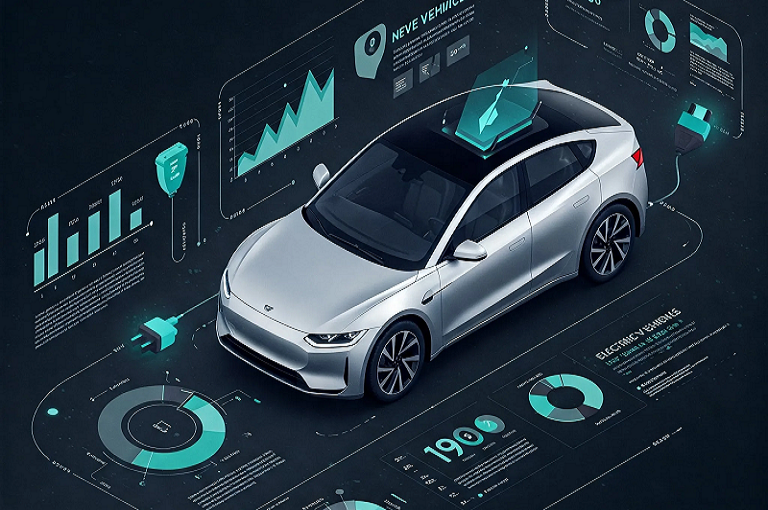
Elon Musk’s Tesla Loses Crown as BYD Dominates Global EV Sales
Introduction
The global demand for electric cars is skyrocketing. Rising fuel costs, environmental concerns, and stringent government regulations have made electric vehicles (EVs) a necessity for the future. In this rapidly changing market, two major players have grabbed the spotlight. On one side is the American EV giant Tesla, led by visionary Elon Musk, and on the other, China’s powerhouse automobile company BYD.
The year 2025 proved historic for the electric vehicle industry as BYD overtook Tesla in global sales, ending years of Tesla’s dominance.
2025: The Game-Changing Year
The year 2025 marked a significant turning point in the electric car industry. Tesla had long been considered the world’s largest EV manufacturer, renowned for innovation and premium electric vehicles. However, for the first time, Tesla experienced a decline in annual sales.
Meanwhile, BYD achieved record-breaking sales, attracting global attention and signaling a major shift in the EV landscape. This change not only reflects sales figures but also indicates a shift in the strategies and future direction of the automobile industry.
Tesla Faces Historic Sales Decline
Tesla has always been synonymous with innovation, advanced technology, and premium EVs. However, 2025 presented multiple challenges for the company.
Reports indicate that Tesla sold approximately 1.63 million vehicles worldwide in 2025, marking a decline of 8.6% compared to the previous year. This was the first time in the company’s history that it recorded a drop in annual sales.
The decline wasn’t limited to sales alone; production levels also fell, signaling a slowdown in both demand and supply.
Why Tesla Faced Challenges
Several factors contributed to Tesla’s decline in 2025:
Rising Competition: Local EV manufacturers in China, Europe, and Asia introduced affordable, feature-packed electric vehicles, reducing Tesla’s market share.
Pricing Pressure: Tesla’s vehicles remain relatively expensive in many markets, whereas competitors like BYD offer more cost-effective options.
Government Policies: Changes in EV subsidies in certain countries affected Tesla’s demand.
Impact of the First Sales Decline
The sales drop in 2025 was a landmark event for Tesla, raising concerns among investors and industry experts.
Elon Musk and Tesla’s management, however, remain confident, stating that upcoming affordable models, new technology, and advanced battery systems will help the company rebound in the coming years.
BYD Makes a Strong Leap
While Tesla struggled, BYD achieved phenomenal growth in 2025. Reports indicate that BYD sold approximately 4.6 million vehicles worldwide, a 7.7% increase compared to the previous year.
BYD’s success isn’t limited to electric vehicles alone; its plug-in hybrid and other EV models have also contributed significantly.
Key Factors Behind BYD’s Success
BYD’s strong performance can be attributed to several factors:
Diverse Product Line: BYD offers not only premium vehicles but also mid-range and entry-level EVs, catering to a broader customer base.
Cost Efficiency: BYD maintains control over its entire production process, from battery manufacturing to vehicle assembly, keeping costs low and prices competitive.
Global Expansion: BYD has rapidly expanded its network across Asia, Europe, Latin America, and Africa, enhancing its global presence.
Technological and Battery Edge
BYD is widely recognized for its cutting-edge battery technology. Its Blade Battery is considered safe, durable, and cost-effective, giving it a competitive advantage.
Tesla, while still innovating, is working to strengthen its battery supply chain, whereas BYD is already largely self-reliant in this critical area.
Global Market Dynamics Shift
BYD’s rise in 2025 has shown that the EV market no longer revolves around a single company. Consumers now have more options, forcing manufacturers to compete aggressively on price, range, and features.
This competition benefits customers, as they now enjoy better technology at more affordable prices.
Tesla and BYD in India
India is emerging as a key market for electric vehicles. Both Tesla and BYD have established their presence in the country.
Tesla currently offers only one model in India, whereas BYD provides two electric models, giving it a slight advantage in market coverage.
In India, price and service networks are critical, and BYD’s strategy appears more practical compared to Tesla’s premium-focused approach.
Future Opportunities in India
Experts predict that India could become a major EV hub in the coming years. Both Tesla and BYD have enormous potential in this market.
If Tesla launches affordable models and focuses on local manufacturing, it could stage a strong comeback. Meanwhile, BYD can continue to consolidate its growing advantage.
Consumer Benefits
The Tesla-BYD rivalry is ultimately a win for consumers. Companies are now focusing on better range, faster charging, advanced safety features, and competitive pricing.
This competition is making electric vehicles more accessible to a wider audience, accelerating the shift towards sustainable mobility.
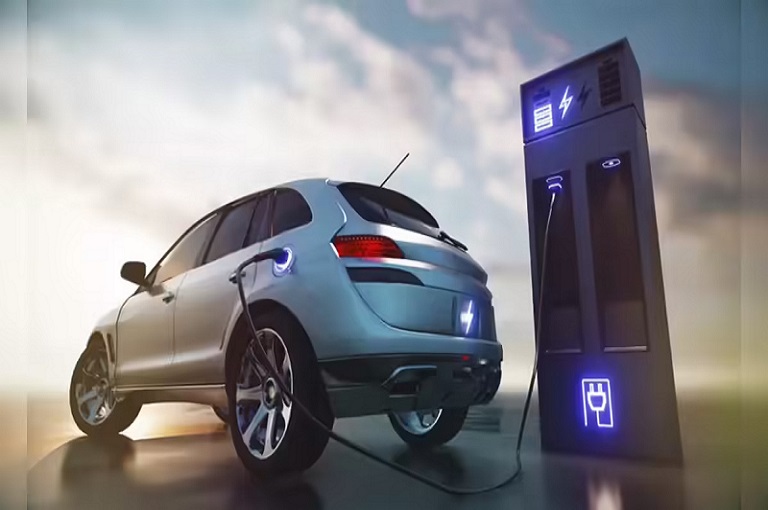
The Future of the Electric Car Industry
The 2025 sales figures indicate that electric vehicles are the future. While Tesla experienced a temporary setback, its technology and brand value remain strong.
BYD has proven that with the right strategy, competitive pricing, and global expansion, any industry leader can be challenged. The coming years are likely to see intensified competition between Tesla and BYD, benefiting consumers worldwide.
Conclusion
The year 2025 was a milestone in the history of electric vehicles. For the first time, Tesla recorded a decline in global sales, while BYD emerged as the world’s leading EV seller.
This shift demonstrates that market dominance is never permanent. The company that best understands and adapts to customer needs will lead the industry. The Tesla-BYD rivalry is set to become even more intense, promising more innovation, affordability, and choice for consumers around the world.
About The Author