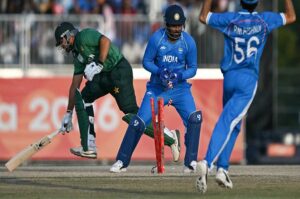
Pakistan’s Bold Game Plan After 61-Run Defeat to India in T20 World Cup 2026, Babar Demoted, Shaheen Dropped, Coach Mike Hesson Reveals Real Strategy
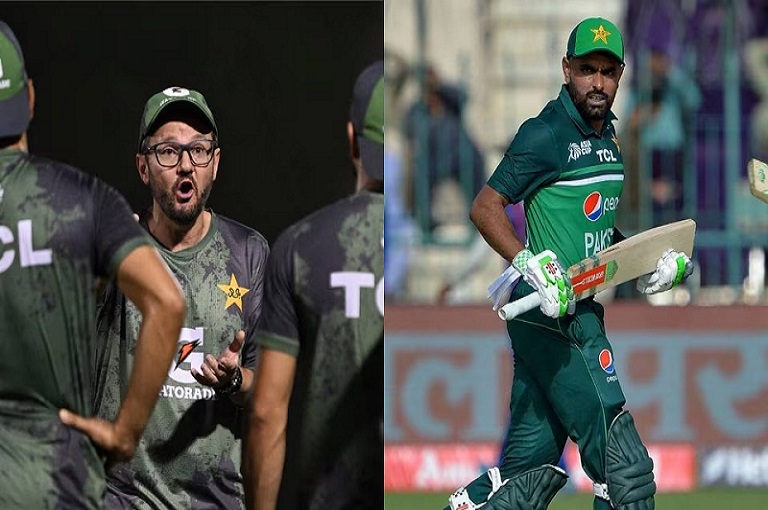
Pakistan’s crushing 61-run defeat to India in the T20 World Cup 2026 group stage triggered intense debate, criticism, and speculation. However, what followed surprised the cricketing world even more. Major tactical changes were introduced in the must-win clash against Namibia. Star pacer Shaheen Afridi was dropped, and former captain Babar Azam was pushed down the batting order.
While many labeled these moves as a reaction to the humiliating loss against India, Pakistan’s head coach Mike Hesson firmly dismissed that narrative. According to him, these were calculated, strategic decisions designed to reshape the team’s approach in high-pressure matches.
Here is a detailed breakdown of what happened, why the changes were made, and what it means for Pakistan’s campaign moving forward.
What Went Wrong Against India
In the high-voltage group match played at Colombo’s Premadasa Stadium, Pakistan won the toss and chose to field first. India posted a competitive 175 for 7. In response, Pakistan’s batting lineup collapsed under pressure and was bowled out for just 114 runs in 17.6 overs.
Babar Azam managed only 5 runs, while Shaheen Afridi conceded 31 runs in just two overs and picked up a single wicket. Pakistan struggled particularly in the powerplay, both with the ball and the bat. The inability to accelerate early and build partnerships proved disastrous.
The defeat was not just heavy on the scoreboard but also damaging in terms of momentum and confidence.
Drastic Changes in the Do-or-Die Match Against Namibia
In the must-win clash against Namibia, Pakistan introduced bold changes. Shaheen Afridi was excluded from the playing eleven, and Babar Azam was removed from the opening slot and reassigned to a middle-order role.
These decisions sparked immediate reactions across cricket circles. Critics called it panic selection. However, coach Mike Hesson clarified that these moves were part of a pre-planned strategy and not an emotional response to defeat.
Why Was Shaheen Afridi Dropped
Addressing the controversy, Mike Hesson emphasized that Shaheen was not dropped due to poor performance. Instead, the team management felt that Salman Mirza deserved an opportunity and offered a different tactical option.
The Colombo pitch is expected to assist spinners and demand variation in bowling combinations. Pakistan wanted to adjust its balance based on conditions rather than reputation. According to Hesson, the move was about team needs and adaptability rather than blaming an individual.
It was a bold call, especially considering Shaheen’s stature as Pakistan’s premier fast bowler. Yet the management believes flexibility is key in tournament cricket.
The Strategic Shift in Babar Azam’s Role
One of the most talked-about changes was Babar Azam’s demotion from opener to the middle order. Hesson revealed that Babar himself understands that his strike rate in World Cup powerplays has been below 100, which is a major concern in modern T20 cricket.
The first six overs are critical in setting the tone of the innings. Teams now aim for explosive starts rather than cautious beginnings. Pakistan’s think tank concluded that they need aggressive hitters upfront while Babar can anchor the innings during the middle overs.
Hesson explained that Babar is best suited to stabilizing the innings if early wickets fall, as seen in the previous game against the USA. Once settled, he has the ability to accelerate and control the tempo.
Interestingly, after the Asia Cup, Babar was brought back into the team specifically with this middle-overs role in mind. This indicates that the management had long-term clarity about redefining his responsibilities.
Why Babar Did Not Bat Against Namibia
In the Namibia match, Sahibzada Farhan smashed a sensational unbeaten century, dominating the opposition attack. When acceleration was required around the 12th over, Shadab Khan was promoted ahead of Babar Azam.
Hesson clarified that at that stage, the team required aggressive power-hitting rather than consolidation. Pakistan had options better suited for finishing strongly in the final overs.
As a result, Babar did not get a chance to bat in that match. While surprising on the surface, the decision aligned with the new tactical blueprint.
Powerplay Becomes Pakistan’s Core Focus
The defeat against India exposed Pakistan’s biggest weakness — underwhelming powerplay performance. In modern T20 cricket, matches are often decided within the first six overs. A team that scores 50 to 60 runs in the powerplay builds early dominance and reduces middle-overs pressure.
Pakistan’s revised strategy revolves around maximizing scoring in the powerplay. This shift reflects an aggressive mindset and acknowledgment of evolving T20 demands.
Mike Hesson has made it clear that flexibility and adaptability will guide team selections moving forward. If conditions demand further changes, the management is ready to make tough calls again.
Super 8 Challenge Against New Zealand
After surviving the group stage scare, Pakistan now faces a crucial Super 8 clash against New Zealand in Colombo. This encounter will be a defining moment in their campaign.
Given Colombo’s spin-friendly surface, Pakistan may once again tweak their bowling combination. Variation and smart matchups will be critical.
The Super 8 stage leaves no room for error. Every decision, every over, and every batting position carries massive weight. Pakistan’s new tactical structure will face its toughest examination yet.
Is This a Tactical Masterstroke or a Risky Gamble
Pakistan cricket has long been known for bold and unpredictable decisions in major tournaments. Sometimes these moves turn into game-changing masterstrokes. At other times, they backfire dramatically.
Demoting Babar and dropping Shaheen is undoubtedly a high-risk strategy. However, it also signals a willingness to evolve rather than remain rigid.
If the new opening pair delivers explosive starts and Babar stabilizes the middle overs effectively, the strategy could redefine Pakistan’s tournament trajectory. Similarly, a flexible bowling combination may add depth and unpredictability.
But if execution fails, criticism will intensify.
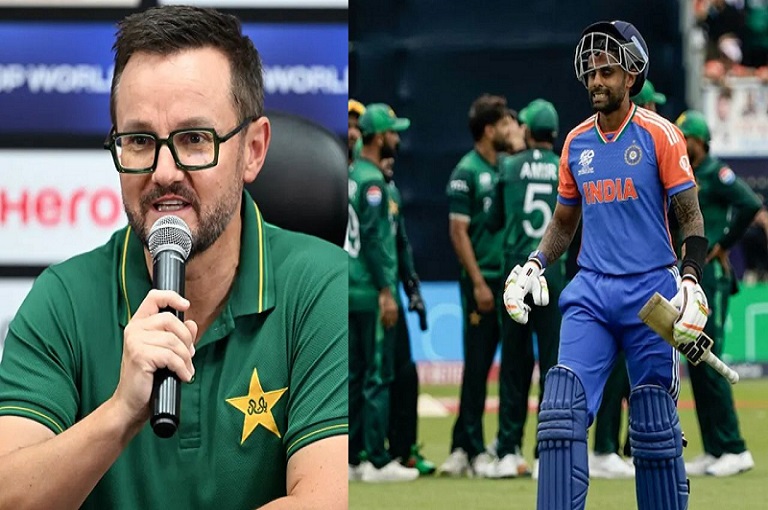
The Psychological Factor
Beyond tactics, the mental aspect cannot be ignored. A 61-run defeat against arch-rivals India can dent confidence. However, the team management’s calm and strategic response suggests resilience rather than panic.
Hesson’s public backing of players indicates trust and long-term vision. In high-stakes tournaments, belief and clarity often make the difference between collapse and comeback.
The Road Ahead
With the Super 8 stage underway, Pakistan cannot afford further slip-ups. Every match is effectively a knockout scenario. The revised game plan must deliver immediate results.
If Babar thrives in his new role and the powerplay aggression pays off, Pakistan could quickly transform into a dangerous contender again. If not, their campaign may unravel under mounting pressure.
One thing is certain — Pakistan has chosen evolution over hesitation. Whether this bold transformation becomes a defining success story or a controversial miscalculation will unfold in the matches ahead.
Cricket fans across the world now watch closely as Pakistan attempts a dramatic turnaround in T20 World Cup 2026.
About The Author