CAFE III Norms 2027 Set to Transform India’s Auto Industry With Better Mileage and a Strong Push for Ethanol Vehicles
What Are CAFE III Norms and Why Are They a Game Changer for India
The Government of India is preparing to introduce a new phase of fuel efficiency regulations for passenger vehicles through the Corporate Average Fuel Efficiency CAFE III norms. These new standards are expected to come into effect from April 1 2027 and are designed to improve vehicle fuel efficiency reduce carbon emissions and encourage the use of cleaner fuels.
The latest draft marks a significant shift in India’s automotive policy. Instead of focusing only on petrol and diesel powered vehicles the government has also proposed giving recognition to ethanol powered and other biofuel based vehicles while calculating fleet fuel efficiency. This move is expected to accelerate the adoption of alternative fuel technologies and help India move toward a cleaner and more sustainable transportation ecosystem.
For car buyers the new rules could mean better mileage lower running costs and access to more fuel efficient vehicle options over the coming years.
What Are CAFE III Norms
CAFE stands for Corporate Average Fuel Efficiency. Unlike regulations that measure the mileage of an individual car CAFE norms evaluate the average fuel efficiency of all passenger vehicles sold by a manufacturer.
This means that every automobile company must ensure that the combined fuel efficiency of its complete vehicle lineup meets the government prescribed standards. If a manufacturer sells several fuel hungry SUVs it must balance them with highly fuel efficient vehicles so that the average fuel economy remains within the required limit.
Companies that fail to meet these standards may have to pay financial penalties or purchase efficiency credits from manufacturers that have exceeded the targets.
CAFE III Norms Will Be Implemented From April 1 2027
According to the draft proposal the new CAFE III regulations will become effective from April 1 2027.
The rules will apply to all passenger vehicles weighing up to three thousand five hundred kilograms. This includes hatchbacks sedans SUVs MPVs and most other passenger cars sold in India.
As a result almost every major automobile manufacturer operating in the Indian market will need to redesign its product strategy to comply with the stricter fuel efficiency standards.
Why India Needs New CAFE III Regulations
India is one of the fastest growing automobile markets in the world. Every year millions of new vehicles are added to the roads increasing fuel consumption and greenhouse gas emissions.
The new CAFE III framework has been introduced to address several critical challenges.
Reduce Fuel Consumption
Vehicles with higher fuel efficiency consume less petrol and diesel reducing the country’s overall fuel demand.
Lower Carbon Emissions
Improved fuel economy directly translates into lower carbon dioxide emissions helping India meet its climate commitments.
Reduce Dependence on Imported Crude Oil
India imports a significant portion of its crude oil requirements. Lower fuel consumption can reduce import bills and strengthen the country’s energy security.
Encourage Advanced Automotive Technology
The new norms will motivate manufacturers to invest in lighter vehicles efficient engines hybrid systems ethanol compatible technologies and innovative powertrains.
Stricter Mileage Targets Under CAFE III
One of the biggest highlights of the CAFE III draft is the introduction of more demanding fuel efficiency targets.
Automakers will have to improve the average mileage of their complete passenger vehicle portfolio. This will encourage manufacturers to redesign engines reduce vehicle weight improve aerodynamics and introduce advanced technologies that maximize fuel efficiency.
Consumers can expect future vehicles to deliver significantly better mileage than many existing models.
Ethanol and Biofuel Vehicles Receive Major Boost
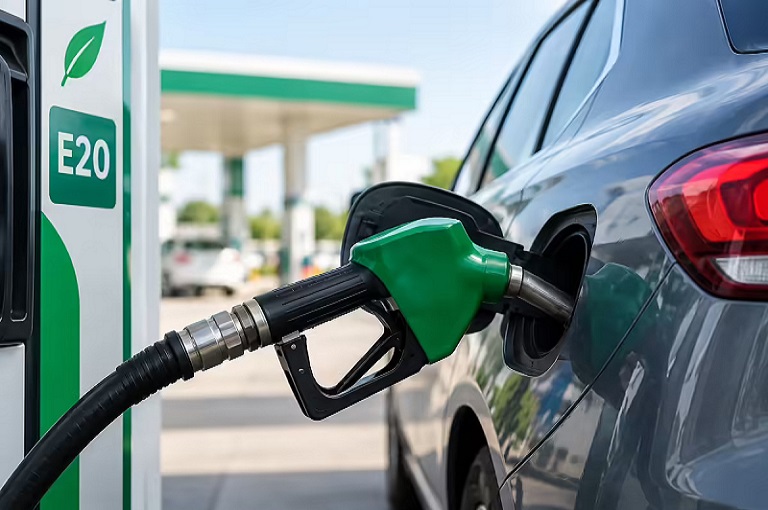
For the first time the government has proposed considering the environmental benefits of ethanol powered vehicles while calculating fleet fuel efficiency.
This means manufacturers producing Flex Fuel vehicles capable of running on ethanol blended fuel may receive significant advantages under the new regulatory framework.
The proposal recognizes the lower carbon emissions associated with ethanol compared to conventional fossil fuels making it easier for manufacturers to achieve their CAFE III targets.
Why Flex Fuel Technology Is Becoming the Future
Flex Fuel technology allows vehicles to operate on different blends of petrol and ethanol without major engine modifications.
This technology offers several important advantages.
Lower Carbon Footprint
Ethanol burns cleaner than conventional petrol reducing greenhouse gas emissions.
Better Support for Indian Farmers
Ethanol is primarily produced from sugarcane maize and agricultural feedstocks creating additional income opportunities for farmers.
Reduced Oil Imports
Greater ethanol usage can reduce petrol demand lowering India’s dependence on imported crude oil.
Enhanced Energy Security
Expanding domestic biofuel production strengthens India’s long term energy independence.
How Automobile Manufacturers Will Need to Adapt
The introduction of CAFE III norms will require major strategic changes across the automobile industry.
Manufacturers will need to
Develop more fuel efficient engines
Reduce overall vehicle weight
Expand hybrid vehicle offerings
Increase production of Flex Fuel compatible models
Invest more in alternative fuel technologies
Improve aerodynamic efficiency
Adopt advanced transmission systems
Increase research and development spending
Companies that successfully adapt early may gain a significant competitive advantage in the Indian market.
Benefits for Car Buyers
The CAFE III norms are expected to bring several long term benefits for consumers.
Better Fuel Economy
New generation vehicles are likely to offer noticeably higher mileage helping customers reduce fuel expenses.
Lower Running Costs
Improved efficiency means owners will spend less on petrol and diesel throughout the vehicle’s lifetime.
Cleaner Transportation
Vehicles built under stricter standards will produce fewer emissions contributing to better air quality.
Wider Choice of Fuel Options
Consumers can expect more Flex Fuel ethanol hybrid and advanced fuel efficient vehicles in showrooms.
Improved Driving Technology
Manufacturers may introduce newer engines smarter transmissions and more efficient vehicle platforms.

Will New Cars Become More Expensive
Developing cleaner and more efficient vehicle technologies requires significant investment from manufacturers.
As a result some new models introduced after the implementation of CAFE III may carry slightly higher initial prices.
However improved fuel efficiency can help owners recover the additional purchase cost through lower fuel expenses over the years making the overall ownership experience more economical.
Impact on the Indian Automobile Industry
CAFE III is expected to reshape the Indian automotive sector in multiple ways.
Manufacturers will invest more in innovation.
Hybrid and Flex Fuel vehicles will become increasingly popular.
Research into lightweight materials and efficient powertrains will accelerate.
Indian companies will become more competitive in global markets.
Alternative fuel infrastructure may expand rapidly.
The industry will gradually shift toward cleaner mobility solutions.
Environmental Benefits of CAFE III Norms
The new regulations are expected to play a major role in India’s environmental sustainability goals.
Lower fuel consumption will reduce carbon dioxide emissions.
Cleaner vehicles will improve urban air quality.
Greater use of biofuels will reduce dependence on fossil fuels.
The transportation sector will contribute more effectively toward climate change mitigation.
These benefits align with India’s long term vision of achieving cleaner and greener mobility.
How Farmers Could Benefit
The increased focus on ethanol is expected to create significant opportunities for the agricultural sector.
Demand for sugarcane and maize could increase.
Domestic ethanol production may expand rapidly.
Rural industries related to biofuel production could generate new employment opportunities.
Farmers may benefit from improved market demand for agricultural feedstocks used in ethanol manufacturing.
How India’s Car Market Could Change by 2030
Industry experts believe the Indian passenger vehicle market may undergo a major transformation over the next several years.
More fuel efficient SUVs will enter the market.
Hybrid technology will become mainstream.
Flex Fuel vehicles will become increasingly common.
Manufacturers will launch advanced low emission engines.
Consumers will have access to a wider range of environmentally friendly vehicles.
Competition among manufacturers will intensify as companies race to meet higher efficiency standards.
Is CAFE III the Right Step for India
Considering India’s growing energy requirements environmental challenges and dependence on imported crude oil CAFE III appears to be an important policy initiative.
Rather than simply increasing mileage standards the regulations aim to improve energy security encourage technological innovation reduce pollution and strengthen India’s transition toward sustainable transportation.
The inclusion of ethanol and biofuel powered vehicles further demonstrates the government’s commitment to promoting cleaner alternative fuels while supporting domestic agriculture.
Conclusion
The proposed CAFE III norms represent one of the most significant reforms in India’s passenger vehicle sector. Scheduled for implementation from April 1 2027 these regulations are expected to improve fuel efficiency reduce emissions encourage the adoption of ethanol and biofuel powered vehicles and accelerate technological innovation across the automotive industry.
Although manufacturers may initially face higher development costs the long term benefits are expected to outweigh the challenges. Consumers will likely enjoy better mileage lower fuel expenses cleaner vehicles and more advanced technologies while the nation benefits from reduced oil imports stronger energy security and a healthier environment.
As India moves toward a cleaner and more sustainable future the CAFE III norms have the potential to redefine the country’s automotive landscape for the next decade.
About The Author