BYD Song Pro DM i Flex Unveiled: This Powerful Hybrid SUV Runs on Petrol, Ethanol and Electric Power
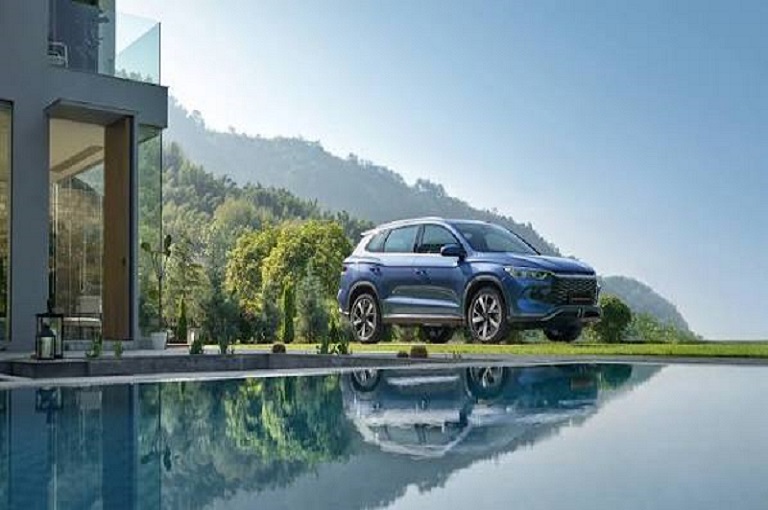
BYD has created a major buzz in the global automotive industry with the introduction of its new Song Pro Super Hybrid Flex Fuel, also known as the BYD Song Pro DM i Flex, for the Brazilian market. The new SUV stands out because of its unique powertrain, which can operate using petrol, ethanol and pure electric power.
The Chinese automaker has developed this vehicle specifically for Brazil, where ethanol is widely used as an automotive fuel. By combining Flex Fuel technology with a plug in hybrid system, BYD aims to offer customers greater freedom and flexibility while driving.
The new SUV also marks an important milestone in BYD’s Brazilian operations because it is set to be produced locally at the company’s Camaçari plant. The move highlights BYD’s growing focus on local manufacturing and its aggressive expansion strategy in Brazil.
BYD Song Pro DM i Flex Gets a Unique Powertrain
The biggest highlight of the BYD Song Pro DM i Flex is its Super Hybrid Flex Fuel powertrain.
Unlike conventional hybrid vehicles that typically combine a petrol engine with an electric motor, this new BYD SUV adds Flex Fuel capability to the hybrid setup.
This means the vehicle can use both petrol and ethanol as fuel while also offering pure electric driving capability.
The combination makes the Song Pro DM i Flex particularly attractive for the Brazilian market. Drivers can choose the most suitable power source depending on their journey, fuel availability and driving conditions.
Petrol, Ethanol and Electric in One SUV
The new BYD SUV essentially brings three different driving possibilities into one vehicle.
The internal combustion engine is designed to operate with both petrol and ethanol. At the same time, the electric motor and battery pack allow the SUV to operate in pure electric mode for shorter journeys.
For city driving, electric mode could prove particularly useful. Drivers can potentially complete their daily commute without relying heavily on petrol or ethanol.
For longer trips, the combustion engine provides additional flexibility. This eliminates some of the range anxiety associated with fully electric vehicles because drivers can rely on conventional fuel when the battery charge is insufficient.
Up to 120 km of Pure Electric Range
One of the most impressive aspects of the BYD Song Pro DM i Flex is its claimed pure electric driving capability.
The higher specification GS variants are reported to offer up to around 120 km of pure electric range.
This could make the SUV highly practical for customers who primarily drive within cities. A significant portion of daily journeys could potentially be completed using electric power alone.
Once the electric range is exhausted, the vehicle can rely on its Flex Fuel engine, giving owners another option for longer journeys.
The combination of electric driving and a Flex Fuel engine could make the SUV a compelling alternative for buyers who want the benefits of electrification without completely giving up the convenience of a combustion engine.
Why Flex Fuel Technology Matters in Brazil
Brazil is one of the world’s most important markets for ethanol powered vehicles. Ethanol has been widely adopted in the country, making Flex Fuel technology particularly relevant for local consumers.
BYD has recognized this market characteristic and developed the Song Pro DM i Flex specifically around it.
Instead of offering a conventional petrol hybrid, the company has integrated a Flex Fuel engine into its plug in hybrid system.
This allows Brazilian customers to use either petrol or ethanol while also benefiting from electric propulsion.
A Smart Strategy for the Brazilian Market
The decision to combine ethanol compatibility with plug in hybrid technology could give BYD a major advantage in Brazil.
The company is not simply adapting an existing electric vehicle for the local market. It is developing a powertrain designed around the country’s fuel infrastructure and consumer preferences.
This approach could also help BYD attract customers who are interested in electrification but are not yet ready to switch completely to a battery electric vehicle.
BYD Expands Local Manufacturing in Brazil
The Song Pro DM i Flex is also significant because it forms part of BYD’s growing local manufacturing strategy in Brazil.
The vehicle is expected to be produced at BYD’s Camaçari plant, which represents a major investment by the company in the Brazilian automotive market.
BYD has ambitious production plans for the facility and aims to significantly increase its manufacturing capacity in the country.
Local production could help BYD reduce its dependence on imported vehicles while allowing the company to develop products more closely aligned with Brazilian market requirements.
The Song Pro DM i Flex is a strong example of this strategy.
Plug In Hybrid Technology Adds More Flexibility
The BYD Song Pro DM i Flex uses Plug in Hybrid Electric Vehicle technology, commonly known as PHEV.
A PHEV combines a rechargeable battery and electric motor with an internal combustion engine.
The battery can be charged externally, allowing the vehicle to operate in electric mode for a certain distance. Once the battery charge becomes low, the combustion engine can provide additional power and range.
The advantage of this system is flexibility.
A customer can use electric power for regular city commutes and switch to petrol or ethanol powered operation for longer journeys.
Reducing Range Anxiety
One of the biggest concerns among potential electric vehicle buyers is driving range and charging infrastructure.
A PHEV can reduce this concern because the vehicle does not depend entirely on charging stations.
If the battery is depleted during a long trip, the driver can continue driving using the combustion engine.
In the case of the Song Pro DM i Flex, the additional ethanol capability makes the system even more suitable for the Brazilian market.
Could BYD Bring This Technology to India
The biggest question for Indian car buyers is whether BYD could eventually introduce similar Flex Fuel hybrid technology in India.
According to comments attributed to BYD senior vice president Alexander Baldy, the Song Pro DM i Flex has been developed primarily for the Brazilian market. However, the underlying technology could potentially have applications in other markets in the future.
India is particularly interesting because the country is aggressively promoting ethanol blending in petrol.
The government has been encouraging the use of ethanol as part of its efforts to reduce dependence on imported crude oil and promote alternative fuels.
This creates a potential opportunity for Flex Fuel vehicles in India.
Why India Could Be an Important Market
India’s automotive market is currently experiencing rapid growth across multiple powertrain categories.
Electric vehicles are expanding quickly, while hybrid vehicles, petrol vehicles and alternative fuel technologies continue to play an important role.
A vehicle capable of running on petrol, ethanol and electricity could potentially offer a unique combination of flexibility and efficiency.
For urban users, electric driving could reduce fuel consumption and running costs.
For highway journeys, petrol or ethanol could provide additional range without requiring frequent charging stops.
This combination could make Flex Fuel PHEVs particularly interesting for Indian consumers if the necessary regulations, pricing and infrastructure support their introduction.
BYD’s Current Focus in India
BYD has already established itself as an important player in India’s premium electric vehicle segment.
The company currently focuses heavily on pure electric vehicles in the Indian market, partly because of the country’s taxation and regulatory structure.
However, the introduction of Flex Fuel hybrid technology in Brazil demonstrates that BYD is willing to customize its powertrain strategy according to the requirements of individual markets.
If Indian regulations and market conditions become favorable for Flex Fuel hybrid vehicles, BYD could potentially explore similar technology in the country.
What Makes the Song Pro DM i Flex Different
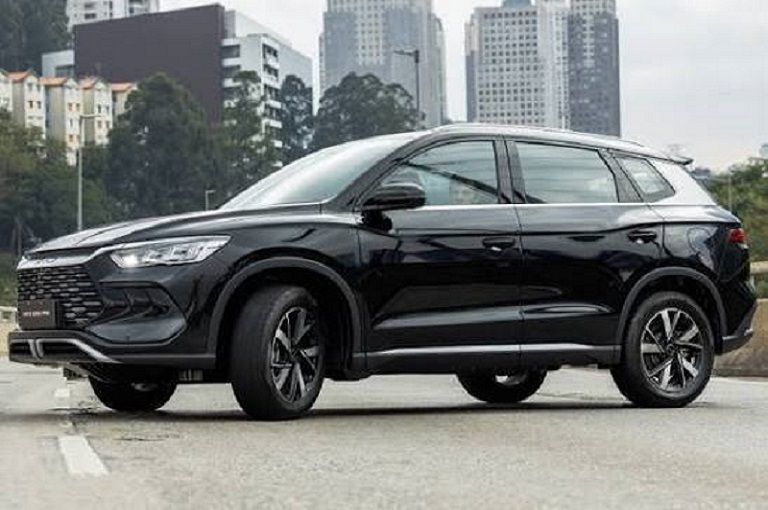
The BYD Song Pro DM i Flex is different from a conventional petrol SUV, a standard hybrid and even a typical electric vehicle.
It combines three energy sources into one flexible powertrain.
Electric power can be used for short daily journeys.
Petrol can provide a familiar fuel option.
Ethanol provides an alternative fuel source that is particularly relevant to Brazil.
This combination gives the vehicle a unique position in the rapidly changing global automotive market.
A Potential Bridge Between ICE and EVs
The Song Pro DM i Flex could also be viewed as a bridge between conventional internal combustion vehicles and fully electric cars.
Many customers are interested in electric vehicles but remain concerned about charging infrastructure, long distance travel and battery range.
A plug in hybrid can address some of these concerns by offering electric driving capability while retaining a combustion engine.
Adding Flex Fuel technology makes the concept even more versatile.
BYD’s Bigger Global Strategy
BYD has rapidly expanded its presence in international automotive markets by offering both battery electric and hybrid vehicles.
The company’s strategy increasingly focuses on adapting products to local market requirements rather than following a single global powertrain approach.
The Song Pro DM i Flex demonstrates this strategy clearly.
Instead of offering only a pure electric SUV in Brazil, BYD has developed a vehicle that combines electrification with the country’s strong ethanol ecosystem.
This could become an important strategy as different countries adopt different approaches to reducing emissions and fuel consumption.
Could Flex Fuel Hybrids Be the Future
The automotive industry is moving toward a more diverse powertrain landscape.
Battery electric vehicles are growing rapidly, but hybrids, plug in hybrids and alternative fuels are also expected to remain important in several markets.
The BYD Song Pro DM i Flex demonstrates how these technologies can potentially work together.
Instead of choosing between an electric vehicle and a combustion engine, customers could have access to both technologies in a single SUV.
The addition of ethanol capability could make this concept even more attractive in countries with established biofuel infrastructure.
Conclusion
The BYD Song Pro DM i Flex is one of the most interesting new hybrid SUVs developed specifically for the Brazilian market. Its ability to operate using petrol, ethanol and pure electric power gives it a unique advantage over conventional vehicles.
The reported electric range of up to 120 km in higher specification variants further strengthens its appeal for urban driving, while the Flex Fuel engine provides additional flexibility for longer journeys.
More importantly, the SUV represents BYD’s growing commitment to local manufacturing and market specific technology. Its Brazilian launch could also offer valuable clues about how the company may approach other markets where ethanol and electrification are gaining momentum.
For India, the technology is particularly intriguing. With ethanol blending expanding and electric mobility growing rapidly, a Flex Fuel plug in hybrid SUV could potentially become an attractive middle ground between conventional petrol vehicles and fully electric cars.
Whether BYD eventually brings similar technology to India remains to be seen. But one thing is clear: the Song Pro DM i Flex shows that the future of automotive mobility may not be limited to a single fuel. The next generation of vehicles could combine electric power, biofuels and conventional engines to deliver maximum flexibility to consumers.
About The Author