Anahat Singh’s Dream Interrupted: Retired Hurt in Bega Open Final
India’s Rising Squash Star Faces Heartbreak in Australia
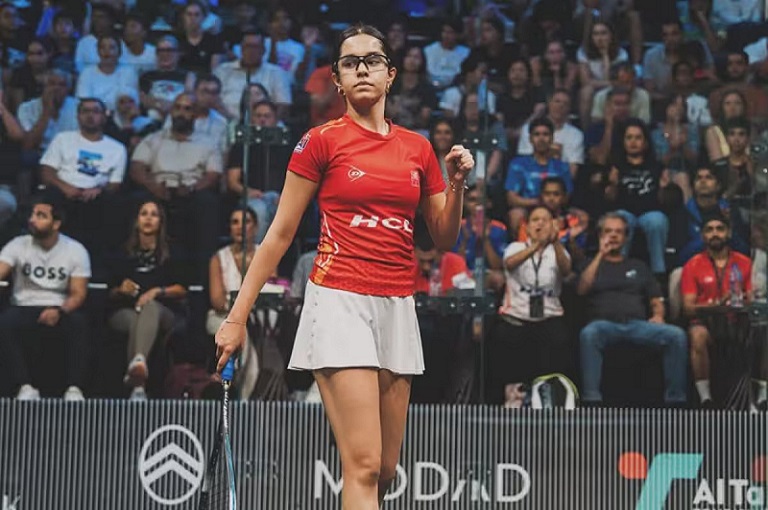
India’s 17-year-old squash prodigy Anahat Singh endured heartbreak in Australia when she was forced to retire hurt during the NSW Squash Bega Open final against Egypt’s second seed Habiba Hani. The final, which marked the very first World Tour title clash of her career, was expected to be a moment of history for Indian squash. Instead, it turned into a bittersweet memory — proof of her talent but also a reminder of the challenges athletes face.
A Promising Start, an Unexpected End
A Confident Beginning
Anahat stepped into the court with confidence and determination. In the opening game, she stunned her opponent with quick reflexes, precise placements, and smart shot selections. Winning the first game 11-9, she immediately placed pressure on the higher-ranked Egyptian. Spectators could sense that the young Indian was ready to challenge the best on the international stage.
Hani’s Fightback
However, Habiba Hani is no stranger to high-pressure contests. The Egyptian clawed her way back in the second game, showing aggressive court coverage and refusing to let Anahat dictate rallies. The second game went to Hani at 11-5. She built on this momentum in the third, holding off Anahat’s resistance to take it 11-8. Suddenly, the match had tilted away from India’s teenager.
The Injury That Changed Everything
The Turning Point in the Fourth Game
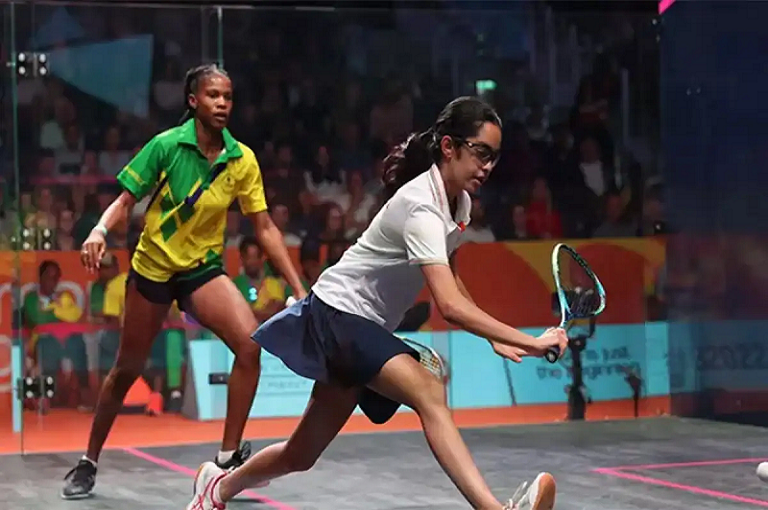
By the fourth game, Hani had taken a 2-1 lead and established a commanding 10-4 advantage. Just as the Egyptian was about to close the game, Anahat appeared to struggle physically. Her movement slowed, pain was visible on her face, and she eventually conceded the game. The match was recorded as:
11-9, 5-11, 8-11, 4-10 (Retired Hurt).
Uncertainty Over the Injury
The nature and severity of the injury remain unclear. What is certain, however, is the disappointment Anahat must have felt. To reach her first-ever World Tour final and then walk away due to injury was devastating, yet it also highlighted her courage to compete against seasoned players.
Journey to the Final
The Semifinal Triumph
Before the final, Anahat had showcased remarkable resilience in the semifinals against another Egyptian, Noor Khafagy. That contest was tough and grueling, with Noor forcing long rallies. But Anahat’s composure under pressure and tactical awareness carried her through to a memorable win — and her maiden World Tour final berth.
Building Indian Hopes
Her victory raised expectations among Indian squash fans and sporting circles. Social media buzzed with excitement, with many believing she could script history by clinching the title. Though the dream ended unexpectedly, her performance reinforced the belief that India has found its next squash star.
Why This Final Matters
Symbol of Transition
This final was more than just a match. For Indian squash, it represented a generational shift. Until now, names like Dipika Pallikal and Joshna Chinappa have carried the country’s hopes. With Anahat breaking into a World Tour final at just 17, it showed that India’s future in squash is secure.
Experience at the Highest Level
For a player so young, competing against a world-class Egyptian opponent in a foreign environment is invaluable. The lessons she will take from this final — handling pressure, staying physically resilient, and bouncing back from setbacks — will shape her career in the long term.
India’s Place in World Squash
Challenges at Home
Despite its potential, squash has not yet gained mainstream recognition in India. Infrastructure remains limited, sponsorship opportunities are scarce, and players often have to rely on personal resources to pursue training abroad. This puts immense pressure on young athletes like Anahat.
Slowly Gaining Ground
Still, India has made steady progress in the sport. From the achievements of Pallikal and Chinappa to the rise of Saurav Ghosal in the men’s circuit, Indian squash has shown flashes of brilliance. Anahat’s entry into a World Tour final at such a young age now adds another milestone.
Coping With Injury and Moving Forward
Mental Strength Will Be Crucial
For young athletes, injuries can feel like major setbacks. But the greatest champions are those who use such experiences as stepping stones. Anahat will need strong mental resilience to recover, reset, and return stronger.
The Role of Support Systems
Proper medical care, fitness rehabilitation, and psychological support will be essential for her comeback. The Indian sports community — from federations to fans — must rally behind her. If nurtured properly, she can emerge from this setback with renewed energy and hunger for success.
Reactions From the Squash World
Admiration for Her Grit
International squash observers praised Anahat for her fearless play in the final. To take a game off a seasoned Egyptian and compete with intensity at just 17 was viewed as a significant achievement. Many see her as one of the brightest prospects on the women’s circuit.
Media Coverage in Australia
Local Australian media also highlighted her performance, noting the composure she displayed in her first World Tour final. While the injury was unfortunate, her emergence left a lasting impression on the tournament.
Looking Ahead: A Bright Future
Goals for the Coming Years
Anahat will likely focus on regaining fitness and targeting upcoming junior and senior international events. The experience of reaching a World Tour final so early in her career provides a strong foundation to build upon.
A Potential Game-Changer for India
If given the right resources and exposure, she has the potential to bring India closer to the global squash elite. Her story could inspire a new generation of players, especially young girls who dream of making a mark in less-publicized sports.
Conclusion
The NSW Squash Bega Open final may not have ended the way Anahat Singh or her supporters hoped, but it will always remain a landmark in her journey. Forced to retire hurt, she left the court disappointed but with immense respect for her skill, courage, and spirit. For Indian squash, her rise is a sign of hope. With resilience, hard work, and support, Anahat could very well become the face of Indian squash in the years to come.
About The Author