Yamaha Says Goodbye to Pakistan: Just 1% of India’s Sales, Why the Giant Had to Exit
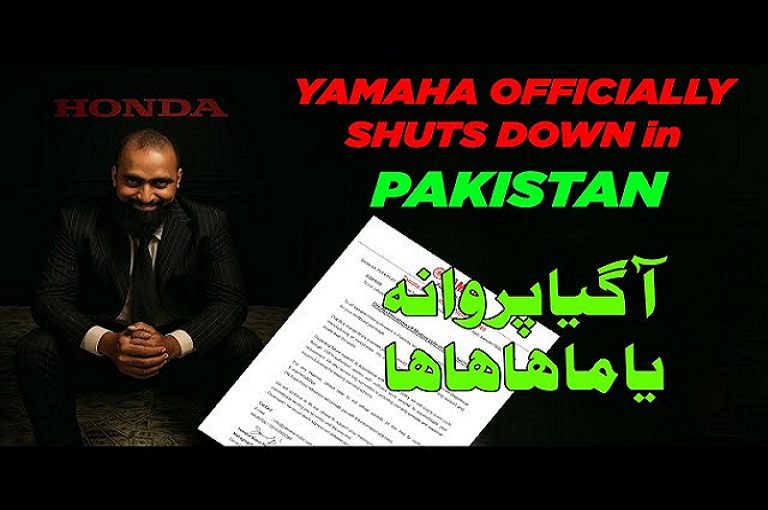
When it comes to motorcycles, Japanese giant Yamaha is a household name. From stylish sports bikes to reliable commuter models, Yamaha has carved a strong place in the global two-wheeler market. In India, the brand continues to thrive with impressive sales numbers and loyal fans. But in neighboring Pakistan, Yamaha has officially pulled the plug on its local operations.
The company announced that it is shutting down production and sales in Pakistan, a move that has shaken the country’s struggling auto industry. The question is—why did a global brand like Yamaha fail in Pakistan, and how is its story so different in India? Let’s break it down.
Yamaha’s Exit from Pakistan – The Full Story
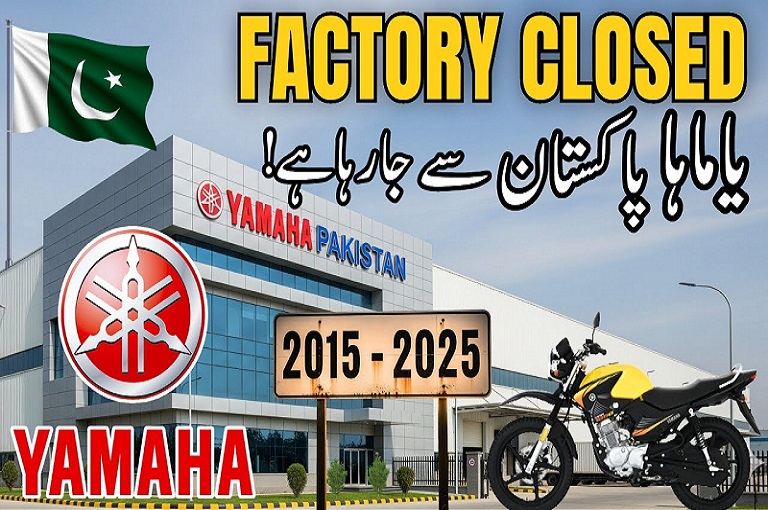
Yamaha Motor Pakistan has decided to close its local manufacturing unit and assembly operations. From now on, the company will no longer sell new models in the country. Instead, it will only provide after-sales support including spare parts, servicing, and warranty coverage.
vThis decision comes at a time when Pakistan’s economy is battling high inflation, rising costs, and shrinking consumer purchasing power. For Yamaha, the environment simply became unsustainable.
Sales Numbers Tell the Real Story
The biggest reason behind Yamaha’s exit is its extremely poor sales performance in Pakistan compared to India.
- In the first half of fiscal year 2025, Yamaha Pakistan sold only 586 units.
- In July 2025 alone, it assembled around 500 units.
- Meanwhile, Yamaha India clocked 50,365 units in July 2025.
That means Yamaha’s sales in Pakistan were not even 1% of what it sells in India. With such a massive gap, continuing production in Pakistan was simply not viable.
Why Yamaha Failed in Pakistan
Despite being a trusted global name, Yamaha could not find success in Pakistan. Here’s why:
1. High-Priced Motorcycles
Yamaha’s Pakistan lineup mainly featured 125cc segment bikes across four models. These were priced higher than what the average Pakistani consumer could afford.
2. Shrinking Purchasing Power
Rising inflation and falling incomes meant that fewer people were willing—or able—to invest in Yamaha’s bikes.
3. Stronger Competition with Affordable Options
Local and other foreign brands offered cheaper alternatives, which directly ate into Yamaha’s market.
4. High Production Costs
Rising raw material costs, import duties, and operational expenses pushed prices even higher, further limiting demand.
India vs. Pakistan – Two Different Stories
While Yamaha struggled in Pakistan, its Indian operations are a success story. The brand enjoys immense popularity with models like the R15, FZ series, MT-15, and Aerox scooter.
Why Yamaha Succeeds in India
- Diverse Product Portfolio – From affordable commuters to premium sports bikes.
- Youth Appeal – Stylish, sporty, and performance-oriented designs resonate with young buyers.
- Massive Market Size – India is the world’s largest two-wheeler market.
- Competitive Pricing – Compared to Pakistan, Yamaha bikes are relatively affordable for Indian consumers.
Clearly, what works in India doesn’t necessarily work in Pakistan.
A Big Blow to Pakistan’s Auto Industry
Yamaha’s exit is not just about one company shutting down—it’s a major setback for Pakistan’s automotive sector.
- Job Losses – Workers associated with assembly and production will be directly affected.
- Fewer Choices for Consumers – Buyers will now have limited options in the premium segment.
- Weaker Competition – With one less player, other brands may dominate pricing and market control.
What Will Happen to Existing Yamaha Customers?
There’s a silver lining for Yamaha owners in Pakistan. The company has assured that it will continue to supply spare parts, warranty services, and after-sales support.
This means existing customers don’t need to worry about maintaining their bikes, even though no new models will be sold locally.
Lessons for Global Brands
Yamaha’s exit from Pakistan holds valuable lessons for multinational companies:
- Understand Local Needs – Every market has its own consumer behavior and spending capacity.
- Don’t Rely Solely on Premium Products – If the average consumer can’t afford your product, volumes will never grow.
- Balance Variety with Affordability – Offering a mix of budget and premium options is crucial.
Impact on India – No Worries, Only Opportunities
For India, Yamaha’s exit from Pakistan doesn’t pose any threat. In fact, it highlights how strong Yamaha’s position is in the Indian market.
The company continues to expand its presence in India by focusing on stylish designs, cutting-edge features, and performance. With the rise of electric mobility, Yamaha is also expected to bring innovations in the EV space in the coming years.
Conclusion
Yamaha’s decision to shut down operations in Pakistan is more than a business move—it’s a reminder of how purchasing power and consumer demand shape the fate of companies.
In India, Yamaha thrives with tens of thousands of monthly sales. In Pakistan, the combination of high prices, weak economy, and limited demand forced the brand to step away.
For Pakistan, this is a blow to the auto industry. For India, it’s proof that Yamaha is investing in the right strategies and has a strong future ahead.
About The Author