Pakistan-Afghanistan conflict raises South Asian concerns
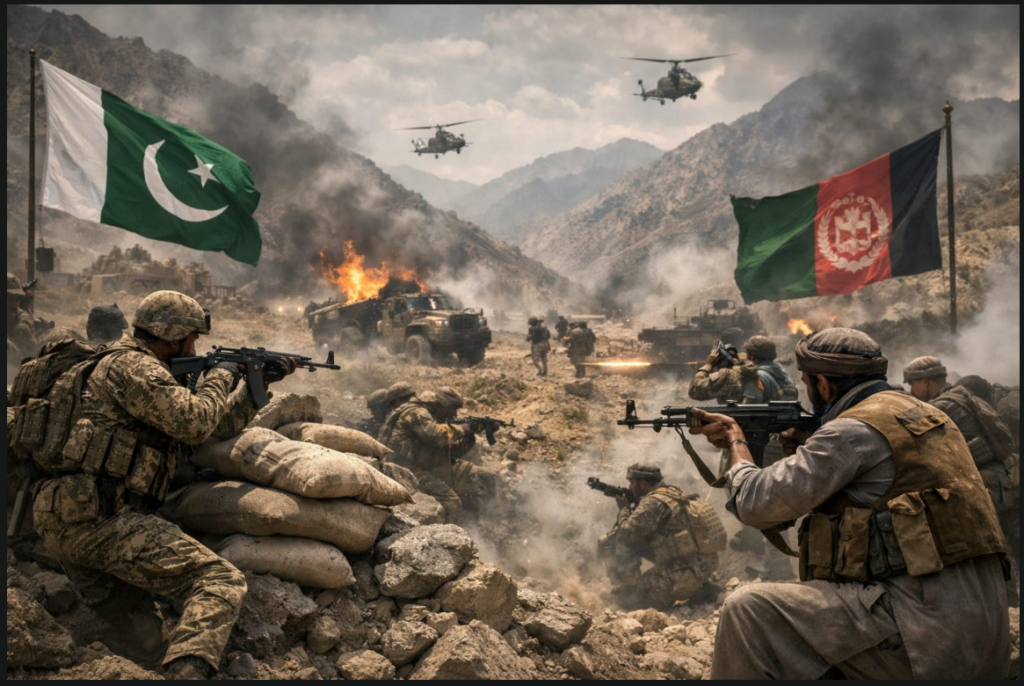
The ongoing tensions between Afghanistan and Pakistan have escalated again. The two countries share a nearly 2,600-kilometer border, called the Durand Line. This border has been a source of dispute and mistrust for years. The situation has become even more complicated since the Taliban returned to Afghanistan in 2021. Pakistan claims that militant groups based in Afghanistan are carrying out attacks on its territory, which the Afghan side denies. As a result, incidents of border firing, airstrikes, and retaliatory actions have increased in recent months, causing instability in the region.
In recent clashes, both sides have accused each other of attacks from the air and ground. Media reports state that several people have died and dozens have been injured in cross-border incidents. Reports from UN agencies indicate that at least 70 civilians were killed and over 400 injured in cross-border attacks and clashes in the last months of the previous year. These figures show that civilians are facing the greatest impact of the conflict. People living in border villages experience constant fear and insecurity.
Security concerns are a key factor in this conflict. Pakistan argues that groups like the Tehreek-e-Taliban Pakistan (TTP) use Afghan territory to launch attacks against it. Pakistan also claims that terrorist attacks within its borders spiked significantly in 2023 and 2024, resulting in hundreds of deaths. It blames groups operating from Afghan territory for these attacks. On the other hand, the Afghan government insists it will not allow its land to be used against other countries, but controlling the mountainous border areas is difficult. This mutual distrust can escalate into military action.
The refugee issue is another significant humanitarian aspect of the conflict. Pakistan has long hosted Afghan refugees. According to various international agencies, there are around 1.3 million registered Afghan refugees in Pakistan, with millions more lacking proper documents. After the power shift in Afghanistan in 2021, over 600,000 Afghan nationals entered Pakistan. Recently, Pakistan has intensified its efforts to deport illegal foreign nationals, forcing thousands of Afghan families to return. This has worsened the humanitarian crisis in Afghanistan, which already faces an unstable economy.
This conflict is also harming the economies of both countries. Afghanistan’s economy has faced severe pressure for the past several years. The World Bank and other organizations report that Afghanistan’s economy has contracted since 2021, with the unemployment rate rising sharply. Border closures and trade disruptions have affected the supply of food grains, fruits, vegetables, and essential goods. Annual trade between Pakistan and Afghanistan amounts to billions of dollars, but frequent border closures have hurt local traders and farmers, leading to notable losses.
Militarily, the two countries are in different situations. Pakistan has a well-organized army, air force, and modern weapons. Meanwhile, Afghanistan’s conventional military has changed since the Taliban took control. Although Afghanistan has limited resources, the mountainous terrain and local support make it hard to fully stop military activities in the border areas. This is why even small clashes can quickly escalate into major conflicts.
The international community is also worried about the growing tensions. The United Nations has repeatedly urged both countries to show restraint and seek solutions through dialogue. Human rights organizations have stressed that safeguarding civilians should be a priority. International law prohibits targeting civilians or using excessive force in military actions. Therefore, there are calls for investigations and transparency after each incident. However, the reality on the ground often differs from what diplomats say.
This conflict is complex from a political standpoint as well. Political instability and economic challenges exist within Pakistan. Rising inflation, foreign debt, and internal security issues are straining the government. Consequently, the government adopts a strategy focused on security issues and tough measures. At the same time, Afghanistan’s lack of international recognition and economic sanctions complicate the situation further. The tensions at the border add to these challenges.
Experts warn that without concrete steps to rebuild trust between the two countries, this conflict could persist for a long time. Improving border management, sharing intelligence, and maintaining regular communication are essential. Also, addressing the refugee issue from a humanitarian viewpoint is crucial. Until people feel secure and have a dignified life, discontent and instability will continue.
The most heartbreaking aspect of this situation is that ordinary people are paying the price. Schools in border villages close, trade stops, and families are forced to leave their homes. This has a deep psychological impact on children and women. Many families lose their means of living. Reports of conflict are more than just numbers; behind every statistic is a family story.
South Asia already faces many challenges. In this context, rising tensions between Pakistan and Afghanistan could threaten the entire region’s stability. If the situation isn’t controlled quickly, it could affect neighboring countries and regional trade. Therefore, both nations must choose diplomacy and cooperation over military confrontation.
Ultimately, the Pakistan-Afghanistan conflict is not just a disagreement between two countries. It also involves humanitarian, economic, and regional stability issues. Statistics reveal that every time shots are fired at the border, innocent civilians die and thousands are displaced. The way to a solution lies in dialogue, trust, and cooperation. If both countries work to resolve their differences peacefully, they can not only establish peace at the border but also open a new chapter of stability and development for the entire region.
Author:
Arshdeep Arora
Multilingual Content Specialist
About The Author