China’s Auto Market Shock 2026 Power Shift as Domestic Giants Lose Ground and Global Brands Surge Ahead
Introduction
China’s automobile market, the largest and most competitive in the world, has entered a dramatic new phase in 2026. For the past two years, domestic electric vehicle makers dominated sales charts, reshaping the global auto narrative. However, the beginning of 2026 has flipped the script.
Foreign automakers have staged a powerful comeback, while once-dominant local players are suddenly facing declining sales, shrinking market share, and rising pressure. This shift is not just about rankings but reflects deeper changes in consumer behavior, policy direction, and industry dynamics.
A Market Transformation Two Years in the Making
2024 to 2025 The Era of Domestic Dominance
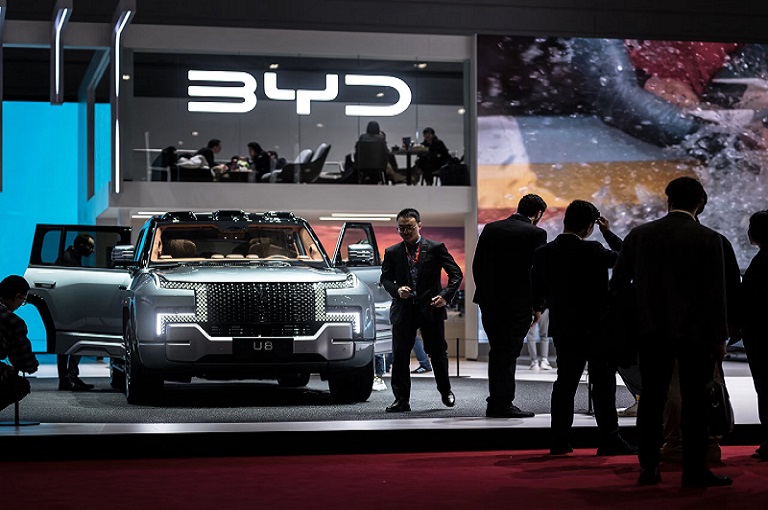
In 2024, China’s homegrown EV giant BYD emerged as the undisputed leader, overtaking global competitors and redefining the market. The momentum continued through 2025, with BYD maintaining its top position.
This period was marked by
- Strong government subsidies for electric vehicles
- Rapid EV adoption across urban and semi urban regions
- Aggressive pricing strategies by domestic brands
These factors gave local manufacturers a decisive edge over foreign companies.
2026 A Dramatic Power Reversal
A Stunning Comeback by a Global Giant
At the start of 2026, German automaker Volkswagen made a remarkable comeback, reclaiming the top spot in China’s car market.
This unexpected shift surprised analysts and industry experts, as domestic brands had firmly controlled the market for two consecutive years.
Market Share Breakdown
New Ranking of Top Automakers
Recent data reveals a reshuffled leaderboard
- Volkswagen leads with around 13.9 percent market share
- Geely follows closely in second place
- Toyota secures the third position
- BYD drops sharply to fourth
This is not a minor fluctuation but a clear signal of structural changes within the market.
A Major Setback for BYD
Weakest Sales Since the Pandemic
February 2026 marked BYD’s weakest monthly performance since the COVID era.
This decline reflects a broader trend of falling demand and increasing competition. It also indicates that the company’s earlier growth momentum is slowing down significantly.
Overall Market Decline
Sharp Drop in Vehicle Sales
The slowdown is not limited to a single company. The entire Chinese auto market is under pressure.
- Car sales fell by about 26 percent in the first two months of 2026
- February alone saw a decline of nearly 34 percent
These figures highlight a cooling market and shifting consumer sentiment.
Government Policies Changed the Game
End of Subsidies Impacting EV Growth
For years, government incentives fueled the rise of electric vehicles. Buyers enjoyed up to 10 percent cost benefits, making EVs more attractive.
However, policy changes in late 2025 reduced these incentives. As a result
- EV prices increased
- Demand softened
- Domestic EV focused companies were hit hardest
New Tax Pressure Adds to Challenges
The introduction of new tax rules further complicated the situation.
Manufacturers are now facing higher costs, forcing them to adjust pricing strategies. Domestic companies, which relied heavily on affordability, are finding it harder to compete.
Changing Consumer Preferences
Shift Toward Hybrid and Reliable Options
Chinese consumers are no longer focused solely on electric vehicles.
Key trends include
- Rising demand for hybrid vehicles
- Preference for reliable and established brands
- Concerns over charging infrastructure and long distance travel
This shift has benefited global automakers with strong hybrid portfolios.
Why Volkswagen Is Winning Again
Smart Localization Strategy
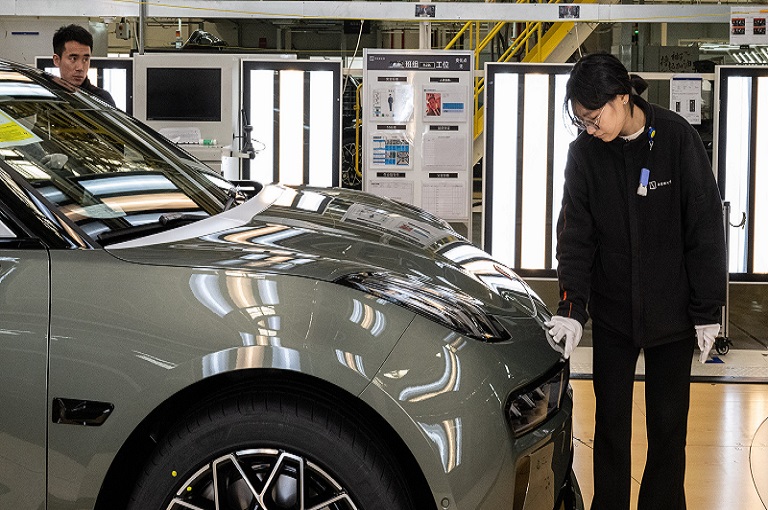
Volkswagen’s success is rooted in its deep understanding of the Chinese market.
The company has
- Partnered with local firms
- Designed models tailored to Chinese consumers
- Invested in advanced technology and features
This localized approach has helped rebuild its dominance.
Aggressive Product Expansion
Volkswagen is also planning a wave of new launches, giving consumers more choices and strengthening its competitive position.
Toyota’s Strong Position
Reliability and Hybrid Leadership
Toyota has capitalized on the changing market dynamics.
Its strengths include
- Proven hybrid technology
- Strong reputation for durability
- High consumer trust
These factors have helped it secure the third position in the market.
Challenges for Domestic Automakers
Rising Cost and Competition Pressure
Local companies now face multiple challenges
- Reduced pricing advantage
- Loss of subsidy support
- Increased competition from global brands
Need for Innovation and Adaptation
To remain competitive, domestic players must
- Invest in next generation technologies
- Improve battery performance and charging solutions
- Enhance overall customer experience
Temporary Shift or Long Term Trend
What Lies Ahead
The big question is whether this shift is temporary or permanent.
Industry experts believe
- The market is currently in a transition phase
- Competition will intensify further
- Leadership positions will continue to change
No single company is guaranteed long term dominance.
Global Implications
A Signal for the Worldwide Auto Industry
China’s market trends influence global strategies.
This shift suggests
- Slower than expected EV growth
- Increasing importance of hybrid technology
- Greater focus on localized production and strategy
What It Means for India
Potential Impact on the Indian Market
The developments in China could shape India’s auto sector as well
- Global automakers may increase focus on India
- EV strategies could evolve more cautiously
- Hybrid vehicles may gain popularity
Conclusion
The beginning of 2026 has reshaped China’s auto market in a dramatic and unexpected way. Domestic champions that once dominated are now under pressure, while global brands are reclaiming lost ground.
This transformation reflects deeper shifts in policy, consumer behavior, and competitive strategy. The road ahead will be highly dynamic, with constant changes in leadership and innovation.
One thing is certain. China’s auto market has become more competitive, unpredictable, and exciting than ever before.
About The Author