ICC Introduces 8 Major Cricket Rule Changes 2026 Batter Time-Wasting Penalty Pink Ball Trial and Stumping Control Rules

The International Cricket Council has announced eight major changes to the laws of cricket, bringing significant updates across Test, ODI and T20 International cricket.
The new rules focus on improving the pace of play, reducing deliberate time-wasting, clarifying controversial dismissal decisions and making playing conditions more consistent across different formats and categories of cricket.
One of the biggest changes is related to batters taking too much time to get ready to face the next delivery. Under the new regulations, repeated delays can eventually result in five penalty runs being awarded to the fielding team.
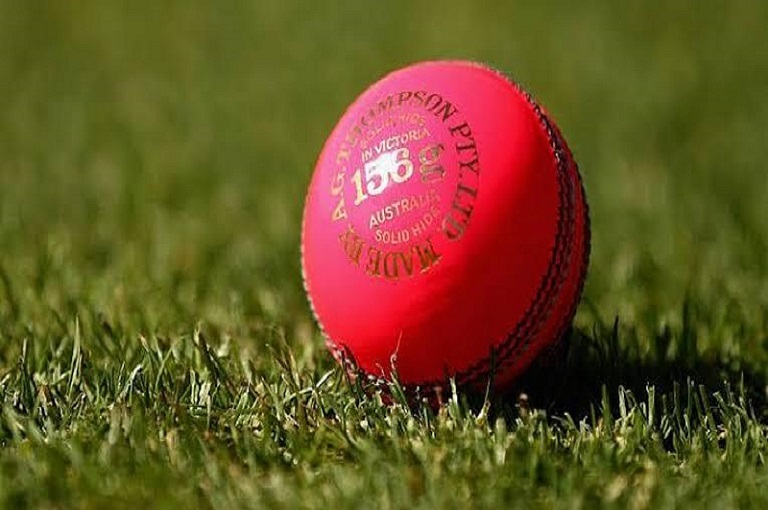
The ICC has also introduced separate weight and size ranges for balls used in men’s and women’s cricket. In another major development, pink-ball cricket could be trialled in Test matches played during the day, provided both teams agree before the match begins.
The new rules will apply to international series beginning on or after October 1, 2026. Series that have already started before this date will continue under the existing regulations.
ICC Cricket Rules 2026 Key Changes
The eight major changes cover several important areas of the game, including batter time management, ball specifications, overthrows, run-outs, stumpings, the final over of the day’s play, T20 intervals and wides on the leg side.
These changes are designed to make the laws clearer while encouraging players to maintain the pace of the game.
Batter Time-Wasting Can Now Cost Five Penalty Runs
One of the most significant changes concerns the amount of time a batter takes to get ready to face a delivery.
Under the new rule, a batter must be ready to receive the ball within the prescribed time. If the umpire believes the batter is deliberately delaying the game and is not ready in time, disciplinary action can follow.
The first offence will result in a warning.
A second offence will result in a final warning.
If the same batter commits a third offence, the fielding team will be awarded five penalty runs.
Third Offence Will Bring Five Runs
The change is aimed at preventing unnecessary delays during an innings.
Modern cricket already has several regulations designed to maintain the required pace of play. The new provision gives umpires a stronger mechanism to deal with repeated and deliberate delays by batters.
The rule also means batters will have to be more disciplined about returning to their position and preparing for the next delivery.
The umpire will remain responsible for determining whether the batter was genuinely wasting time or whether there was a legitimate reason for the delay.
Pink Ball Trial Could Be Introduced in Daytime Tests
Another major development involves the use of the pink cricket ball in Test matches.
The ICC will allow the use of a pink ball on a trial basis in Tests played during the day. The objective is to explore whether the pink ball can help reduce interruptions caused by poor light.
At present, pink balls are primarily associated with day-night Test matches.
Under the new provision, teams can agree to use the pink ball in a daytime Test before the match begins.
Teams Must Agree Before the Test
Both teams will have to agree to the use of the pink ball before the start of the Test.
Once the decision has been made to play with the pink ball, the ball cannot be changed during the match simply because the teams want to switch back to another type of ball.
The trial could provide valuable insight into whether the pink ball can help increase playing time in Tests affected by deteriorating light conditions.
Separate Ball Specifications for Men’s and Women’s Cricket
The ICC has also established separate specifications for the weight and size of cricket balls used in men’s and women’s cricket.
For men’s cricket, the ball must weigh between 156 and 163 grams. Its circumference must be between 22.4 and 22.9 centimetres.
For women’s cricket, the ball must weigh between 142 and 149 grams. Its circumference must be between 21.5 and 22 centimetres.
Why Ball Size and Weight Matter
The size and weight of the cricket ball can have an important influence on the way the ball behaves during a match.
It can affect bowling, swing, seam movement, bounce and the way batters respond to deliveries.
By establishing clearly defined specifications for men’s and women’s cricket, the ICC is creating more consistent standards for international competition.
Junior cricket will also continue to have specifications appropriate to the relevant level and category of the game.
Major Clarification to the Overthrow Rule
The ICC has also clarified the rules surrounding overthrows.
If a fielder deliberately throws the ball towards the stumps in an attempt to stop runs or complete a run-out and the ball subsequently travels further, the incident will be treated as an overthrow.
However, not every misfield will automatically be considered an overthrow.
If a fielder is attempting to stop the ball or return it to another fielder and makes an accidental misfield during that process, the incident will not necessarily be treated as an overthrow.
Intent Will Be Important
The distinction between a deliberate throw towards the stumps and an accidental misfield is an important part of the revised interpretation.
The clarification should help officials deal with situations where the ball travels a significant distance after a fielder attempts to make a play.
The change is designed to provide greater clarity in situations that can otherwise lead to confusion among players, officials and spectators.
Full Ball Control Required for Run-Outs and Stumpings
Another important change concerns run-outs and stumpings.
Simply touching the ball with a hand or glove will no longer automatically be enough to establish control of the ball for a dismissal.
The fielder or wicketkeeper must have complete control of the ball.
For example, if a wicketkeeper merely touches the ball with a glove and the bails are removed at the same moment, the wicketkeeper may not be considered to have had complete control of the ball.
Wicketkeepers Face Greater Responsibility
The change places greater emphasis on control during wicketkeeping actions.
A wicketkeeper will need to demonstrate proper control of the ball when completing a stumping rather than relying solely on contact between the ball and the glove.
This clarification could prove particularly important in close stumping decisions, where the ball and bails are involved almost simultaneously.
It is intended to provide a clearer standard for umpires when determining whether the conditions for a dismissal have actually been met.
Wicket Falling in the Final Over Will Not Automatically End the Day
Test cricket will also see a significant change involving the final over of the day’s play.
Under the revised rule, the fall of a wicket during the final over will not automatically bring the day’s play to an end.
If the over has not been completed and the weather and ground conditions remain suitable for cricket, the remaining deliveries can be bowled on the same day.
Example of the New Rule
Suppose three balls remain in the final scheduled over of the day and a wicket falls.
If the conditions are suitable, the remaining deliveries will be bowled instead of ending play immediately.
Previously, a wicket falling in such circumstances could result in the end of play for the day.
The revised rule is intended to make better use of available playing time and prevent unnecessary loss of deliveries.
T20 Internationals to Have a 15-Minute Interval
T20 International cricket will also receive a clearly defined interval of 15 minutes.
However, if the match has already suffered a significant loss of playing time, the interval can be reduced to 10 minutes.
Head Coaches Can Enter the Field During Drinks Breaks
Another notable change allows the head coach to enter the field during drinks breaks in ODIs and T20 cricket.
This gives coaching staff an opportunity to communicate directly with players during a short break in play.
Limited-overs cricket often involves rapid tactical changes, and the new provision provides teams with an additional opportunity to discuss strategy during the match.
The rule applies to the head coach during the relevant drinks break rather than allowing unrestricted coaching access throughout the game.
New Interpretation of Leg-Side Wide Deliveries
The ICC has also clarified how leg-side wides will be judged in ODIs and T20 Internationals.
The change is particularly relevant when a batter changes position before or during the delivery.
Under the revised interpretation, the position of the batter’s feet at the moment the ball is delivered will be used as the reference point.
If the batter subsequently moves towards the off side after the ball has been delivered, that later movement will not be used as the basis for deciding whether the delivery was a wide.
Batter’s Position at Delivery Will Be Crucial
The clarification is designed to create a more consistent standard for judging wides.
Batters frequently move across the crease in limited-overs cricket, sometimes attempting to change their angle or create scoring opportunities.
Under the revised rule, the umpire will focus on the batter’s position at the relevant moment rather than subsequent movement after the ball has been delivered.
This should make the interpretation of certain wide-ball situations clearer.
When Will the New ICC Rules Come Into Effect
The new rules will apply to international series beginning on or after October 1, 2026.
International series that have already started before October 1 will continue under the existing laws.
This transition arrangement is intended to prevent different sets of rules from being introduced midway through an ongoing international series.
Teams, players, match officials and governing bodies will therefore have a clear starting point for implementing the new regulations.
How the New Rules Could Change International Cricket
The eight changes cover some of the most important aspects of modern cricket.
The five-run penalty for repeated batter delays places greater emphasis on maintaining the pace of play. Batters will need to be ready within the required timeframe, particularly after receiving warnings for earlier delays.
The introduction of separate ball specifications provides clearer standards for men’s and women’s cricket.
The pink-ball trial could offer another potential solution to lost playing time caused by poor light in Test cricket.
Changes to overthrows, stumpings and run-outs focus on greater precision in dismissal decisions.
Meanwhile, the final-over change in Tests is designed to ensure that available playing time is used more efficiently.
The T20 interval rule and changes involving coaching access also reflect the fast-moving nature of modern limited-overs cricket.
Complete List of the Eight ICC Rule Changes
The eight major changes can be summarised as follows.
First, a third instance of deliberate batter time-wasting can result in five penalty runs for the fielding team.
Second, pink balls can be trialled in daytime Test matches if both teams agree before the match.
Third, men’s and women’s cricket will have separate specifications for ball weight and circumference.
Fourth, the overthrow rule has been clarified to distinguish deliberate throws towards the stumps from accidental misfields.
Fifth, complete control of the ball will be required for relevant run-out and stumping dismissals.
Sixth, the fall of a wicket during the final over will not automatically end the day’s play if remaining deliveries can be bowled under suitable conditions.
Seventh, T20 Internationals will have a 15-minute interval, which can be reduced to 10 minutes when required because of lost playing time, while head coaches can enter the field during drinks breaks in ODIs and T20s.
Eighth, the batter’s foot position at the moment of delivery will be used when assessing certain leg-side wide situations.
Conclusion
The ICC’s eight new cricket rule changes represent a significant update to the laws governing international cricket.
From a five-run penalty for repeated time-wasting to clearer requirements for ball control during stumpings and run-outs, the changes focus strongly on consistency, efficiency and clarity.
The introduction of separate ball specifications for men’s and women’s cricket and the trial of pink balls in daytime Tests are also notable developments.
The revised rules will come into effect for international series beginning on or after October 1, 2026, while ongoing series will continue under the existing regulations.
As international cricket adopts these changes, players, coaches, umpires and fans will see several important situations interpreted differently from October 2026 onward.
About The Author