Massive Controversy Over Pakistani Player in The Hundred
Sunil Gavaskar’s Strong Reaction Raises Serious Questions on Sunrisers Leeds Decision
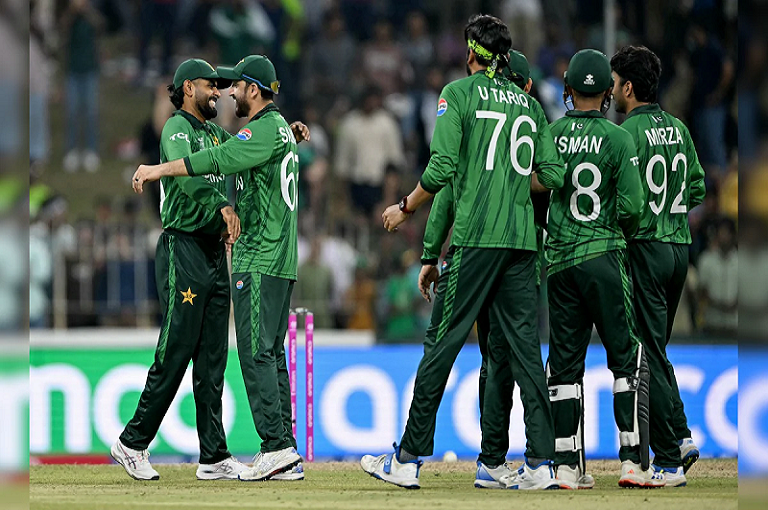
A major controversy has erupted in the cricket world after a decision taken in England’s popular franchise tournament The Hundred. An Indian-owned franchise, Sunrisers Leeds, bought Pakistani mystery spinner Abrar Ahmed during the auction.
The move sparked intense reactions in India, especially from former Indian captain Sunil Gavaskar, who criticized the decision strongly. His remarks triggered a broader debate about the intersection of sports, national security, and political sensitivities between India and Pakistan.
Controversy Begins After Abrar Ahmed’s Purchase
The controversy began when Sunrisers Leeds bought Abrar Ahmed during The Hundred auction held in London on March 13. The Pakistani spinner was purchased for approximately 2.34 crore rupees.
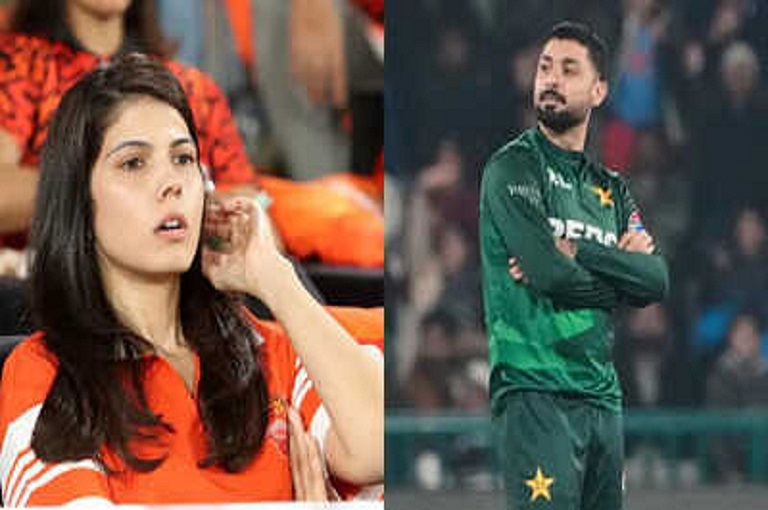
The franchise is owned by the Sun Group, the same organization that owns the Sunrisers Hyderabad in the Indian Premier League. The team’s CEO Kavya Maran was also present at the auction.
This decision immediately drew attention because Indian-owned franchises usually avoid signing Pakistani players even in overseas leagues. By signing Abrar Ahmed, Sunrisers Leeds broke an informal tradition that had been followed for years.
Sunil Gavaskar’s Powerful Statement
Cricket legend Sunil Gavaskar reacted sharply to the development. He stated that Indian owners signing Pakistani players could indirectly harm Indian interests.
According to Gavaskar, when Pakistani players receive fees from international leagues, they pay taxes in their home country. Those tax revenues ultimately go to the Pakistani government.
He suggested that such funds might eventually contribute to military spending, which could potentially be used against India. Because of this possibility, he described the decision as highly insensitive and risky.
Gavaskar questioned whether winning a tournament that is not widely played globally should be considered more important than the safety and lives of Indian citizens and soldiers.
Responsibility of Franchise Owners Questioned
Gavaskar also questioned the decision-making process within the franchise.
He pointed out that the team’s head coach Daniel Vettori is from New Zealand and may not fully understand the complex political and security dynamics between India and Pakistan.
However, Gavaskar argued that franchise owners should be fully aware of the situation and take responsibility when making such decisions.
He emphasized that owners ultimately have the final authority and should carefully evaluate the broader implications of signing players from countries involved in sensitive geopolitical relationships with India.
Social Media Backlash Intensifies
After the news of Abrar Ahmed’s signing broke, social media platforms were flooded with strong reactions from Indian fans.
Many users criticized the franchise and questioned the logic behind the decision. Some even called for a boycott of the Sunrisers brand.
Amid the growing controversy, the official social media account of Sunrisers Hyderabad on X was temporarily suspended, which further fueled discussions and speculation.
The backlash demonstrated how deeply emotional and politically sensitive such decisions can become in modern sports.
BCCI Clarifies Its Position
The Board of Control for Cricket in India also addressed the controversy.
BCCI vice president Rajeev Shukla clarified that the board cannot interfere in this matter.
He explained that The Hundred is an English tournament and operates independently of Indian cricket administration. Therefore, decisions related to team selection and player auctions fall entirely under the jurisdiction of the respective franchises.
As a result, the BCCI has no authority to intervene in the issue.
Why Pakistani Players Do Not Play in IPL
The controversy also revived discussions about why Pakistani cricketers do not participate in the Indian Premier League.
Pakistani players were part of the inaugural IPL season in 2008. However, the situation changed dramatically after the 2008 Mumbai attacks in November of the same year.
Following those attacks, Pakistani players were effectively barred from participating in the IPL. Since then, none have been included in the tournament.
Although the restriction is not always officially stated as a formal ban, it has become an established practice over the years.
Different Rules in Overseas Leagues
Unlike the IPL, overseas leagues operate under different regulations.
The Hundred allows players from all cricket-playing nations to participate regardless of nationality. Therefore, there are no restrictions preventing franchises from signing Pakistani cricketers.
Technically, Sunrisers Leeds did not violate any rules by signing Abrar Ahmed. However, because the franchise is owned by an Indian group, the decision triggered emotional reactions among Indian fans.
This highlights the complex reality where legal rules may allow certain actions, but public sentiment may strongly oppose them.
Earlier Controversy Over Mustafizur Rahman
This is not the first time a player signing has triggered controversy in cricket.
Ahead of the IPL 2026 season, Kolkata Knight Riders purchased Bangladeshi fast bowler Mustafizur Rahman for 9.20 crore rupees in the mini auction held in Abu Dhabi.
However, protests erupted in India due to reports of violence against Hindu communities in Bangladesh.
Following pressure and discussions with the BCCI, Kolkata Knight Riders eventually released Mustafizur Rahman from their squad.
The decision sparked diplomatic tension, and Bangladesh later restricted the broadcast of IPL matches in the country.
Growing Sensitivity in Global Cricket
These incidents clearly show that modern cricket is no longer limited to sports alone.
Politics, diplomacy, and national sentiment now play a major role in shaping decisions within international leagues.
Even routine actions like signing a player can sometimes trigger major controversies due to geopolitical tensions.
In the case of India and Pakistan, the relationship between the two nations has always been sensitive, and cricket decisions often reflect those tensions.
KKR Signs Zimbabwe Fast Bowler Blessing Muzarabani
Meanwhile, Kolkata Knight Riders have strengthened their squad ahead of IPL 2026 by signing Zimbabwean fast bowler Blessing Muzarabani.
The 29 year old pacer gained global attention during the recent ICC Men’s T20 World Cup.
Muzarabani delivered an outstanding performance and finished as Zimbabwe’s highest wicket taker in the tournament.
Outstanding Performance in T20 World Cup
During the T20 World Cup, Muzarabani showcased exceptional pace and accuracy.
He claimed thirteen wickets in the tournament and consistently troubled top batting lineups.
Thanks to his impressive bowling, Zimbabwe managed to reach the Super Eight stage of the competition.
Recognizing his potential and recent form, Kolkata Knight Riders decided to include him in their squad for the upcoming IPL season.
The Ongoing Debate Between Sports and Politics
The Abrar Ahmed controversy has once again raised an important question in international sports.
Should sports remain completely separate from politics, or should national security and diplomatic tensions influence sporting decisions?
Some experts argue that sports should unite nations and focus purely on talent and performance.
Others believe that national interests and security concerns cannot be ignored in the modern world.
This debate is likely to continue as global sporting events become increasingly interconnected with political realities.
What Could Happen Next
The ongoing controversy may influence how Indian-owned franchises operate in international leagues in the future.
Teams may become more cautious when signing players from countries with sensitive political relations with India.
There is also a possibility that cricket boards or global governing bodies could develop clearer guidelines for such situations.
For now, however, the decision to sign Abrar Ahmed has opened a fresh debate that continues to dominate cricket discussions.
Conclusion
The decision by Sunrisers Leeds to sign Abrar Ahmed in The Hundred has evolved from a simple cricketing move into a major public debate.
Sunil Gavaskar’s strong remarks have amplified the controversy and highlighted the deep connection between sports, politics, and national sentiment.
As international leagues continue to expand, similar issues may arise in the future. The challenge for cricket administrators and franchise owners will be to balance sporting freedom with political sensitivities and public expectations.
About The Author