Nipah Virus: Causes, Symptoms, Prevention, and Why It Remains a Serious Global Health Threat
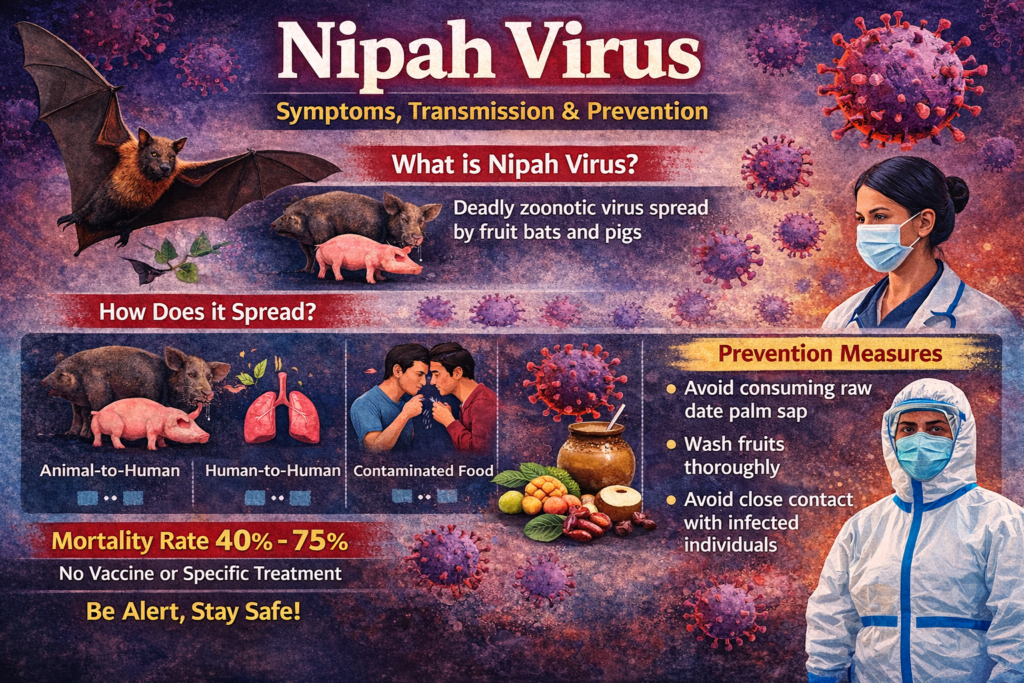
The Nipah virus (NiV) is a highly contagious and deadly zoonotic virus that has repeatedly raised public health alarms, particularly in South and Southeast Asia. First identified in 1998 during an outbreak among pig farmers in Malaysia, the virus has since caused multiple outbreaks in countries like India, Bangladesh, and Singapore, often with high fatality rates. Due to its ability to spread from animals to humans and between humans, the Nipah virus continues to be a major concern for global health authorities.
What Is the Nipah Virus?
Nipah virus belongs to the Henipavirus genus of the Paramyxoviridae family. It is naturally hosted by fruit bats (Pteropus species), commonly known as flying foxes. These bats do not show symptoms but can transmit the virus to humans either directly or through intermediate hosts such as pigs.
The virus is classified by the World Health Organization (WHO) as a priority pathogen because of its high mortality rate and the absence of a specific treatment or vaccine.
How Does Nipah Virus Spread?
Nipah virus spreads through several routes:
- Animal-to-human transmission:
Humans can become infected by direct contact with infected bats, pigs, or other animals. Consumption of fruits or raw date palm sap contaminated with bat saliva or urine is a known risk factor. - Human-to-human transmission:
The virus can spread through close contact with infected individuals, especially via bodily fluids such as saliva, respiratory droplets, blood, or urine. Several outbreaks in India and Bangladesh have shown strong evidence of hospital-based transmission. - Contaminated food sources:
Unwashed fruits or fresh juices exposed to bats can also act as carriers.
Symptoms of Nipah Virus Infection
Nipah virus infection can range from mild illness to severe, life-threatening conditions. Symptoms usually appear 4 to 14 days after exposure and may include:
- Fever
- Headache
- Muscle pain
- Vomiting
- Sore throat
In severe cases, the infection can progress rapidly to:
- Acute respiratory distress
- Encephalitis (inflammation of the brain)
- Confusion and disorientation
- Seizures
- Coma
The fatality rate ranges from 40% to 75%, depending on the outbreak and healthcare response.
Diagnosis and Treatment
Diagnosis of Nipah virus infection is done through laboratory tests such as RT-PCR, ELISA, and virus isolation, typically conducted in high-containment laboratories due to the virus’s dangerous nature.
Currently, there is no specific antiviral treatment or approved vaccine for Nipah virus. Medical care is largely supportive and includes:
- Intensive care support
- Respiratory assistance
- Management of neurological symptoms
Early detection and isolation of patients significantly improve outcomes and reduce the risk of further transmission.
Prevention and Control Measures
Since no vaccine exists, prevention is the most effective defense against Nipah virus. Key preventive measures include:
- Avoiding consumption of raw or unprocessed date palm sap
- Washing fruits thoroughly and discarding partially eaten fruits
- Limiting contact with sick animals
- Using personal protective equipment (PPE) while caring for infected individuals
- Strict infection control practices in hospitals
Public awareness campaigns and rapid response teams play a crucial role in containing outbreaks.
Nipah Virus in India
India has witnessed multiple Nipah virus outbreaks, particularly in Kerala, where strong surveillance systems and swift public health responses have helped limit spread. These incidents highlight the importance of preparedness, transparent reporting, and community cooperation.
Why Nipah Virus Is a Global Concern
What makes Nipah virus especially dangerous is its pandemic potential. It can mutate, spreads through respiratory droplets, and has no definitive cure. Increased deforestation, urbanization, and climate change are bringing humans and wildlife closer, increasing the risk of zoonotic spillovers like Nipah.
Conclusion
The Nipah virus is a stark reminder of the fragile balance between humans and nature. While outbreaks have been relatively limited so far, the virus’s high mortality rate and lack of treatment make it a serious threat. Strengthening disease surveillance, investing in research, and promoting public awareness are essential steps to prevent future outbreaks and protect global health.
About The Author