Pakistan Withdraws Asia Cup Boycott Threat: Referee Controversy and Handshake Row Shake Cricket World
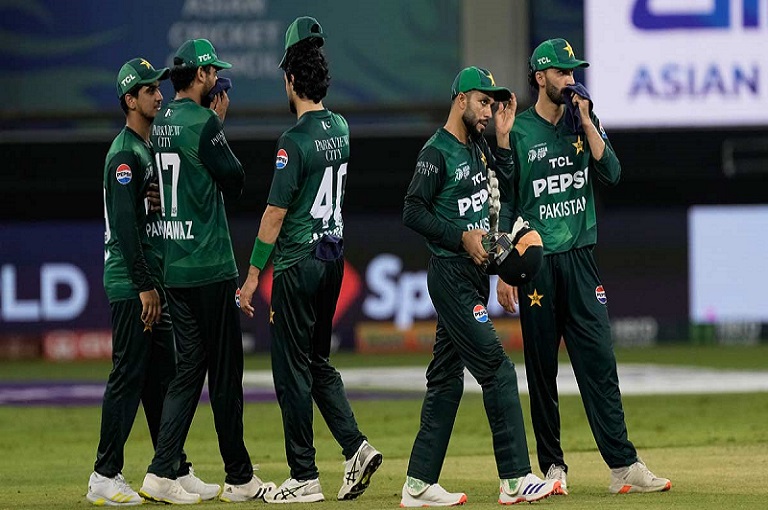
Pakistan players react after their loss in the Asia Cup cricket match against India | AP
Introduction: A Storm in the Asia Cup
Asia Cup 2025 is making headlines not just for the cricketing action but also for the controversies off the field. The Pakistan cricket team shocked the world by threatening to pull out of the tournament. The root of the conflict lies in a handshake controversy between Indian and Pakistani players. The dispute escalated when the Pakistan Cricket Board (PCB) accused match referee Andy Pycroft of bias and demanded his removal. Although Pakistan has withdrawn its boycott threat, the issue still remains unsettled.
The Root of the Controversy: The Handshake Row
On September 14, after the high-voltage India vs Pakistan clash, a major controversy erupted. Indian players refused to shake hands with their Pakistani counterparts. Indian captain Suryakumar Yadav stated firmly that “some things are above sportsmanship.” His comment referred to the Pahalgam terror attack, in which innocent Indian civilians were killed.
Pakistan termed this behavior against the spirit of cricket and lodged a complaint with match referee Andy Pycroft. The PCB alleged that Pycroft failed to take any action against the Indian players and, under India’s pressure, even advised both captains not to shake hands at the toss.
PCB’s Strong Demand: Remove the Referee
PCB Chairman Mohsin Naqvi took a hard stand on the issue, demanding the immediate removal of Andy Pycroft from the tournament. According to the PCB, Pycroft not only violated the ICC Code of Conduct but also undermined the “Spirit of Cricket.”
Pakistan even went as far as to warn that they would withdraw from the Asia Cup if their demand was not met. This statement, made in the middle of the tournament, sent shockwaves across the cricketing world.
ICC’s Response: Demand Rejected
The International Cricket Council (ICC) rejected Pakistan’s demand outright. The governing body clarified that removing a match referee from the entire tournament just because of one team’s objection was not feasible. However, there was speculation that Pycroft might be given a break from officiating in some games.
The Asian Cricket Council (ACC) has so far remained silent, leaving the question open as to whether Pycroft will continue to officiate Pakistan’s upcoming matches.
Pakistan vs UAE: Back on the Field
Despite the threat, Pakistan eventually decided to stay in the tournament. Their clash against UAE in Dubai is set to go ahead. Interestingly, Andy Pycroft himself has been appointed as the referee for this match.
Videos of the Pakistani team arriving at the ICC Academy for practice sessions have surfaced on social media, signaling that the boycott threat has been shelved, at least for now.
India’s Stand: Nation Above Sport
Indian captain Suryakumar Yadav defended his team’s stance on the handshake controversy, stating that the decision was taken with the consent of the BCCI and the Indian government. He dedicated the victory to the victims of the Pahalgam attack and the Indian armed forces.
India also emphasized that handshakes are not mandatory under cricket’s rulebook. They are merely a tradition of goodwill, not an enforceable regulation.
The Background: Pahalgam Attack and India’s Response
On April 22, Pakistan-backed terrorists brutally killed 26 Indian civilians in Pahalgam, Kashmir. Reports confirmed that the attackers targeted people based on their religion. The massacre shook the entire nation.
In response, India launched “Operation Sindoor,” destroying multiple terrorist camps inside Pakistan. Additionally, nine Pakistani airbases were reported to have been destroyed. These developments escalated tensions further between the two nations.
PCB’s Accusations: Referee Under Fire
The PCB’s grievances extended beyond India’s players. They accused referee Andy Pycroft of acting under Indian pressure, instructing both captains to avoid shaking hands after the toss.
According to PCB, this was a clear violation of cricketing traditions and an act of bias that favored India. Their frustration grew when Pycroft allegedly ignored their official complaint.
Is Handshaking Mandatory?
In cricket’s laws, nowhere is it written that players must shake hands after a match. The handshake is a symbol of sportsmanship but not a legal requirement.
A senior BCCI official clarified that India is under no obligation to shake hands with a country it shares strained relations with. This statement further solidified India’s stance on the matter.
A Possible Middle Ground: Giving Referee a Break
Sources close to the Asia Cup suggest that removing Pycroft from the tournament entirely is unlikely. However, he may be rested for certain fixtures to defuse tensions.
There is speculation that West Indian great Richie Richardson could replace Pycroft as the referee for Pakistan’s remaining matches. Whether this change will actually take place remains uncertain until the ACC makes an official statement.
Social Media Reactions
The handshake controversy has sparked a storm on social media. Indian fans largely supported their team, praising the stand of putting national interest above sporting rituals. Pakistani fans, however, accused India of disrespecting the spirit of cricket and rallied behind their board’s demands.
Experts’ Opinions
Cricket experts are divided over the matter. Some argue that while sportsmanship is important, national emotions and security concerns cannot be ignored. Players should have the right to make such decisions in extraordinary circumstances.
Others believe Pakistan’s boycott threat was an overreaction that damaged the image of the tournament. According to them, political disputes should not dictate cricketing decisions.
The Bigger Picture: Sports and Politics Intertwined
The Asia Cup 2025 controversy once again proves that separating sports from politics is easier said than done. India’s refusal to shake hands stemmed from a tragic terror attack, while Pakistan accused the referee of partiality.
Although Pakistan has withdrawn its boycott threat, the controversy has already left a dent in the Asia Cup’s reputation. The world now watches to see how ICC and ACC navigate the sensitive issue and restore balance.
Conclusion: Lessons from the Controversy
This entire episode highlights three key lessons:
- National Sentiment Matters – When tragic incidents occur, sporting rituals may take a backseat to the larger emotions of a nation.
- Spirit of Cricket vs Reality – While sportsmanship is vital, enforcing it against players’ will may not always be feasible.
- Need for Neutral Governance – Match officials must be seen as neutral at all times to prevent escalation of disputes.
The Asia Cup will continue, but the handshake row and referee controversy will be remembered as one of the most dramatic off-field stories in recent cricketing history.
About The Author