T20 World Cup 2026 Controversy: Bangladesh Withdraws, ICC Takes Firm Stand, Sri Lanka Speaks Out on India Pakistan Dispute
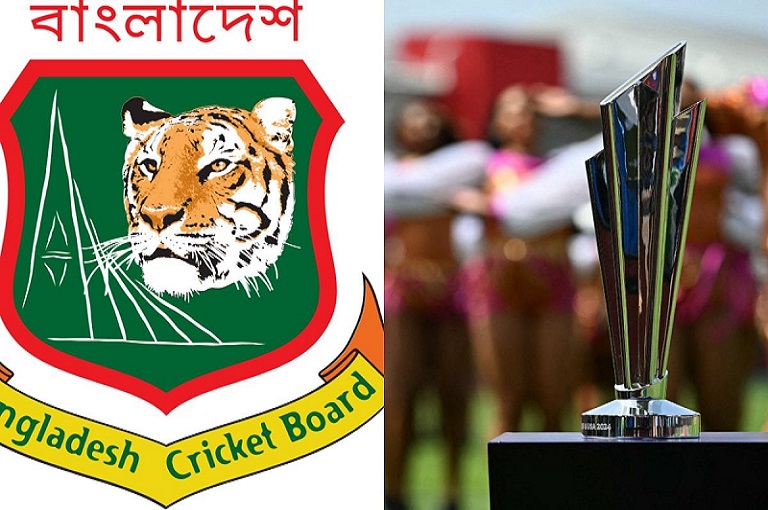
Just before the start of the T20 World Cup 2026, the cricketing world witnessed a major controversy that has made this tournament historic even before a single ball was bowled. Bangladesh’s sudden decision to withdraw from the tournament forced the International Cricket Council to take strict measures and prompted Sri Lanka, India, and Pakistan to make public statements. This incident has raised questions not only about cricket administration but also about security, diplomacy, and international cricket relations.
In this article, we will explore in detail why Bangladesh decided to pull out of the T20 World Cup 2026, how the ICC responded, what Sri Lanka’s stance is, and why India and Pakistan’s reactions are significant.
Overview of T20 World Cup 2026
The T20 World Cup 2026 is scheduled to begin on February 7, with the final set for March 8. The tournament is being co-hosted by India and Sri Lanka. Preparations have been ongoing for several months, with cricket fans eagerly anticipating another high-voltage T20 competition.
However, just before the tournament began, Bangladesh’s decision created uncertainty. Fans and stakeholders who expected thrilling matches were instead confronted with controversy and speculation, casting a shadow over the highly anticipated event.
Why Bangladesh Withdrew from the T20 World Cup 2026
Security Concerns
The Bangladesh Cricket Board cited safety and security concerns regarding playing their league matches in India. The board expressed that under current conditions, they could not guarantee the safety of their players and support staff. Therefore, they requested that all their league matches be relocated to Sri Lanka.
The Special Request to ICC
Bangladesh’s request was unprecedented in the context of ICC tournaments. Teams do not usually have the option to change match venues according to convenience. Bangladesh made it clear that if their matches were played in India as originally scheduled, they would be unable to participate in the tournament.
ICC’s Firm Stand and 24-Hour Ultimatum
Why the ICC Rejected the Request
The ICC considered Bangladesh’s request carefully but ultimately rejected it. The governing body maintained that adequate security arrangements had been made in India, citing past tournaments that had been successfully held without incident.
The 24-Hour Ultimatum
The ICC gave Bangladesh a 24-hour ultimatum to reconsider their decision and participate in the tournament according to the original schedule. However, Bangladesh remained firm in their stance.
Official Exit from the Tournament
When Bangladesh failed to reverse its decision within the deadline, the ICC took the drastic step of excluding them from the T20 World Cup 2026. This marked one of the most decisive actions in ICC history, sending a clear message about compliance and tournament regulations.
Sri Lanka Breaks Silence and Clarifies Its Stand
Silence Until Now
Sri Lanka remained silent for a long period during the controversy. As a co-host of the tournament and the nation where Bangladesh had requested to play their matches, all eyes were on Sri Lanka’s stance.
Statement by Cricket Secretary Bandula Dissanayake
Finally, Bandula Dissanayake, Secretary of Sri Lanka Cricket, publicly clarified the country’s position. He stated that Sri Lanka would remain completely neutral in the disputes between India, Pakistan, and Bangladesh. All three countries are considered friendly nations, and Sri Lanka will not support any particular side.
Commitment to Hosting
Sri Lanka also confirmed that in the future, they would be ready to host matches if needed. However, regarding the current situation, they fully respect the ICC’s decision and will not intervene in the controversy.
India’s Reaction and Firm Message
Confidence in Security
India officially reassured that the security of international players remains a top priority. India has successfully hosted major ICC tournaments in the past without any major incidents, and there is no compromise on safety measures.
Comments from Former Players
Several former Indian cricketers also shared their views. They suggested that Bangladesh’s withdrawal seemed more politically motivated than a genuine concern about cricket. Many experts opined that such decisions undermine the spirit of the game and set a worrying precedent.
Pakistan’s Position and Statements
Initial Support for Bangladesh
The Pakistan Cricket Board initially expressed understanding toward Bangladesh’s security concerns. They acknowledged that every nation has the right to consider the safety of their team.
Speculations About Boycott
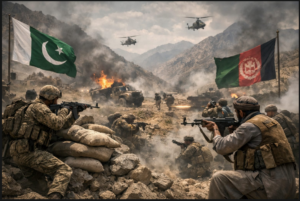
During the controversy, discussions arose about whether Pakistan might refuse to play in India. Later, it became clear that Pakistan would participate in the tournament, though uncertainty lingered regarding high-profile India-Pakistan matches.

Impact of Bangladesh’s Withdrawal
Questioning the Tournament’s Integrity
Bangladesh’s exit has been a significant setback for the T20 World Cup 2026. This is the first time a team has been excluded under such circumstances, drawing global attention and debate.
Opportunity for Another Team
The ICC replaced Bangladesh with another qualifying team, giving that team a historic opportunity. While this was positive for the new entrant, the shadow of the controversy continues to loom over the tournament.
Will the Controversy Define T20 World Cup 2026?
The T20 World Cup 2026 will be remembered not only for its thrilling matches but also for the Bangladesh controversy. It highlights the ICC’s authority, the importance of security concerns, and the influence of international cricket politics. This incident has shown that cricket is no longer just a sport but a platform where decisions carry diplomatic and administrative weight.
What Lies Ahead
All eyes are now on how the tournament unfolds on the field. Will the controversy overshadow the games, or will players rise above the disputes to deliver extraordinary performances? For the ICC, the decision to exclude Bangladesh was firm but necessary, while Bangladesh must now reconsider its approach for future tournaments.
Conclusion
The T20 World Cup 2026 controversy has already become a significant chapter in cricket history. Bangladesh’s withdrawal, the ICC’s decisive action, Sri Lanka’s neutral stance, and India and Pakistan’s reactions collectively illustrate that modern cricket is much more than just a game. It reflects global decisions, national priorities, and international diplomacy. The upcoming matches will test whether cricket on the field can outshine off-field controversies and give fans the excitement they expect from the world’s premier T20 event.
About The Author