US–Venezuela Tensions Escalate: Maduro’s Legal Troubles and Trump’s ‘In Charge’ Claim Spark Global Debate

Tensions between the United States and Venezuela have sharply escalated following dramatic developments involving Venezuelan President Nicolás Maduro, renewed U.S. pressure, and controversial statements from former US President Donald Trump. Reports suggesting possible US military action, legal proceedings against Maduro, and claims of American control over Venezuela have triggered intense international discussion and uncertainty across the region.
While the situation remains fluid, the developments mark one of the most serious moments in US–Venezuela relations in recent years.
Background: Long-Running US–Venezuela Conflict
Relations between Washington and Caracas have been strained for more than a decade, particularly after the US accused Nicolás Maduro’s government of corruption, human rights abuses, and involvement in international drug trafficking. The United States has imposed multiple rounds of sanctions on Venezuela, targeting its leadership, oil exports, and financial systems.
Maduro, who succeeded Hugo Chávez in 2013, has consistently rejected US accusations, calling them part of an imperialist campaign to undermine Venezuela’s sovereignty. His government maintains support from allies such as Russia, China, Iran, and Cuba.
Legal Pressure on Nicolás Maduro
US authorities have long pursued legal action against Maduro. He has been named in US indictments related to alleged narco-terrorism, drug trafficking, and conspiracy charges. These cases, filed in American courts, accuse senior Venezuelan officials of collaborating with drug cartels to destabilise the region.
While Maduro has never appeared in a US courtroom, recent reports and commentary have reignited debate over whether legal proceedings could move forward if political or diplomatic conditions change. Analysts note that such charges are part of Washington’s broader strategy to isolate the Venezuelan leadership internationally.
Trump’s ‘In Charge’ Remark Raises Alarm
Adding fuel to the controversy, Donald Trump made headlines after declaring that the United States is effectively “in charge” of Venezuela. The remark, made during a public appearance, was widely interpreted as symbolic rather than literal, but it nonetheless sparked global backlash.
Critics argue that such statements undermine international law and Venezuelan sovereignty, while supporters claim Trump was emphasising US influence over sanctions, diplomacy, and economic pressure.
Officials from the current US administration have not endorsed the statement, stressing that Washington does not seek to govern Venezuela but wants democratic reforms, free elections, and accountability.
Military Action Speculation and Regional Anxiety
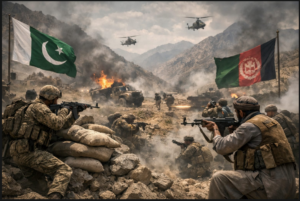
Reports of possible US military involvement in Venezuela have circulated repeatedly over the years. While no official confirmation of a full-scale attack exists, speculation alone has unsettled regional governments and financial markets.
Latin American nations have expressed concern that any military escalation would destabilise the region, worsen Venezuela’s humanitarian crisis, and trigger mass migration. Neighbouring countries such as Colombia and Brazil have repeatedly called for dialogue and peaceful solutions.
International observers warn that even limited military action could have serious consequences, including disruptions to oil production and regional security.
Impact on Venezuela’s Political Landscape
Inside Venezuela, the situation has deepened uncertainty. Maduro’s government remains in power, but the country continues to face economic hardship, inflation, shortages of basic goods, and political divisions.
Opposition groups view international pressure as leverage against Maduro, while government supporters frame it as foreign interference. The Venezuelan military’s loyalty remains a key factor in maintaining stability, with analysts noting that any major shift could dramatically alter the political landscape.
Global Reactions and International Law Concerns
The international community remains divided. Several governments have criticised US rhetoric and sanctions, arguing that unilateral actions violate international law. Others maintain that pressure is necessary to address human rights concerns and alleged criminal activity by Venezuelan leaders.
Legal experts highlight that any foreign military action without UN Security Council approval would raise serious legal questions under international law. Calls for multilateral diplomacy and mediation continue to grow.
Oil, Economy, and Strategic Interests
Venezuela holds the world’s largest proven oil reserves, making it strategically important. Any instability directly impacts global energy markets. Analysts suggest that geopolitical interests, rather than ideology alone, continue to shape US–Venezuela relations.
Sanctions have significantly reduced Venezuela’s oil exports, though recent years have seen limited easing under specific agreements. Future developments will likely influence energy prices and regional trade.
What Happens Next?
As of now, there is no official confirmation of direct US military action or immediate legal proceedings involving Maduro on US soil. However, heightened rhetoric, ongoing sanctions, and diplomatic manoeuvres suggest that tensions are far from easing.
Key questions remain:
- Will legal pressure against Maduro intensify?
- Could diplomatic negotiations resume?
- How will regional powers respond to future developments?
- What role will energy interests play in shaping policy?
Conclusion
About The Author