When Will Toll Tax End Government Gives a Clear Answer in Parliament
Introduction
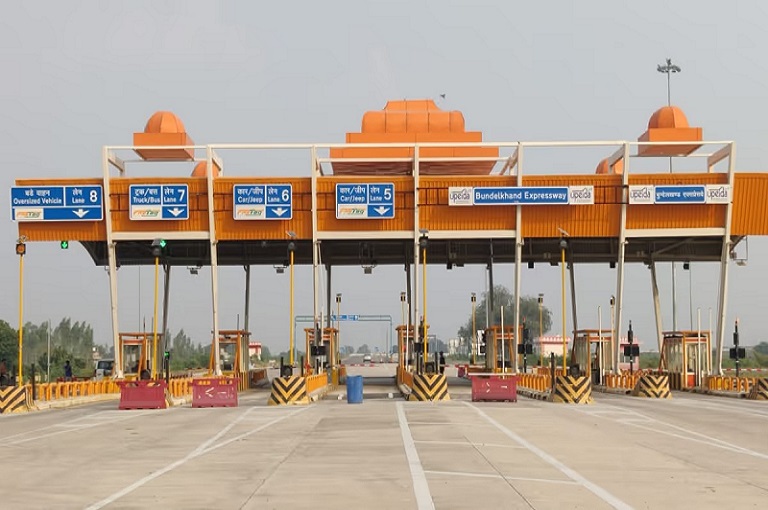
Millions of people travel on India’s national highways every day, and almost every traveler has asked one common question at some point: Will toll tax ever be abolished? Whether it is a long-distance road trip or a daily commute, paying toll charges at multiple plazas often makes motorists wonder why they have to pay an additional fee after already paying vehicle taxes.
The government recently addressed this question in Parliament and clarified its position on the future of toll tax in India. The response has put an end to widespread speculation by confirming that there is currently no proposal to abolish toll tax. Instead, the government is focusing on making toll collection faster, smarter, and more convenient through advanced digital technologies.
This article explains the government’s statement in detail, the purpose of toll tax, how it differs from vehicle tax, and what changes travelers can expect in the coming years.
Government Clarifies Its Stand on Toll Tax
The Ministry of Road Transport and Highways informed Parliament that there is no plan to abolish toll tax on national highways. According to the government, toll charges are not simply another tax but a user fee collected from people who use national highways and expressways.
The revenue generated through toll collection plays a crucial role in funding the construction, maintenance, expansion, and modernization of India’s highway infrastructure. Eliminating toll tax would significantly affect the financial resources required to build and maintain world-class roads across the country.
Instead of ending toll collection, the government aims to improve the existing system by making it more transparent, efficient, and technology-driven.
Why Is Toll Tax Collected
Funding Highway Development
Constructing highways, bridges, tunnels, flyovers, and expressways requires massive financial investment. Toll revenue helps recover a portion of these costs while ensuring continuous infrastructure development.
Maintaining Existing Roads
Roads require regular maintenance, resurfacing, repairs, lighting, safety barriers, and drainage systems. Toll collections provide a steady source of funding for these ongoing activities.
Improving Road Safety
Modern highways require emergency response systems, CCTV surveillance, ambulances, traffic management centers, and regular inspections. Toll revenue contributes to improving these essential safety measures.
Supporting Economic Growth
Efficient highways reduce travel time, lower transportation costs, improve logistics, and boost trade and tourism. Better road connectivity also encourages industrial and regional development.
Vehicle Tax and Toll Tax Are Different
Many vehicle owners believe that paying vehicle tax should eliminate the need for toll charges. However, the government explained that these are two entirely different types of payments.
Vehicle Tax
Vehicle tax is collected by state governments or union territories when a vehicle is registered. It is a statutory tax associated with vehicle ownership and registration.
Toll Tax
Toll tax is a user fee collected only from people who use specific national highways or expressways. The money collected is primarily used for highway construction, maintenance, and infrastructure improvements.
Because they serve different purposes, paying vehicle tax does not exempt motorists from paying toll charges.
The Role of Public Private Partnership Projects
Many highways in India are developed through the Public Private Partnership model. Under this arrangement, private companies invest in building highways and are granted the right to collect toll charges for a specified concession period.
During this period, the company recovers its investment while maintaining the road according to government standards.
Even after the concession period ends and the highway returns to government control, toll collection may continue under applicable rules to support maintenance and future upgrades.
Will Toll Plazas Disappear in the Future
Although toll tax itself is not expected to end, traditional toll plazas may gradually become a thing of the past.
The government is working toward introducing advanced electronic toll collection systems that allow vehicles to travel without stopping at physical toll booths.
This transition is expected to reduce congestion, improve traffic flow, and provide a smoother driving experience across national highways.
How the Future Toll System May Work
Barrier Free Travel
Drivers may no longer need to stop at toll plazas. Instead, toll charges could be deducted automatically while vehicles continue moving.
Distance Based Charging
Instead of paying a fixed toll for a particular highway section, future systems may calculate charges based on the actual distance traveled, making the process more transparent and equitable.
Automatic Digital Payments
Modern technology will enable automatic toll deduction through digital systems, minimizing manual intervention and reducing waiting times.
Reduced Traffic Congestion
Removing physical toll booths can significantly decrease traffic bottlenecks, especially during peak travel seasons and holidays.
Why the Government Considers Toll Essential
The government believes that a strong highway network is one of the foundations of economic development.
Without a sustainable funding mechanism, maintaining thousands of kilometers of highways would become increasingly difficult. Toll revenue ensures that roads remain safe, smooth, and capable of supporting growing traffic demands.
It also reduces dependence on government budget allocations by allowing highway users to contribute directly to infrastructure development.
Benefits of Toll Revenue
Better Road Maintenance
Regular repairs, resurfacing, lane markings, and preventive maintenance improve driving conditions and reduce accident risks.
Expansion of Highway Networks
Toll income supports the construction of new expressways, bypasses, economic corridors, and greenfield highway projects.
Enhanced Road Safety
Investments in surveillance systems, emergency medical services, breakdown assistance, and intelligent traffic management help improve safety for all road users.
Faster Infrastructure Development
A reliable funding source enables quicker completion of highway projects across different regions of the country.
Concerns Raised by Motorists
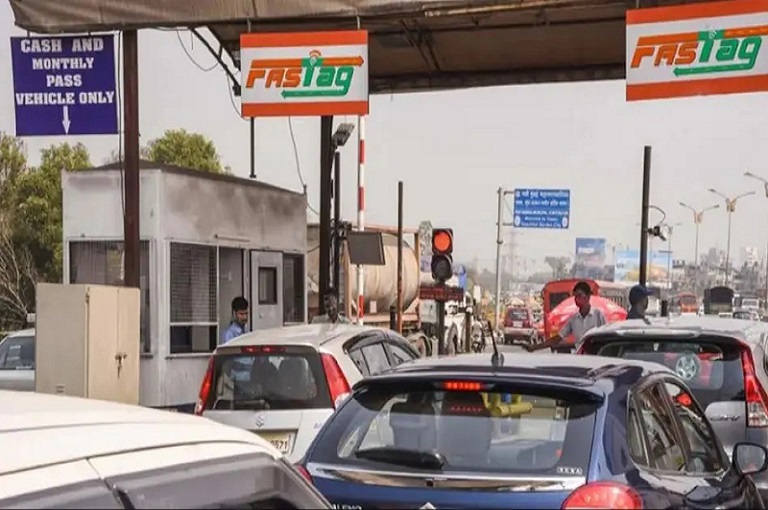
Many drivers argue that they already pay multiple taxes, including GST on vehicles, road tax, fuel taxes, and registration charges. As a result, paying toll fees during travel feels like an additional financial burden.
Daily commuters who frequently use national highways are particularly affected because recurring toll payments can significantly increase transportation expenses.
However, the government’s position remains that toll is a user-based fee rather than a general tax, ensuring that those who benefit from highway infrastructure contribute toward its upkeep.
Will People Ever Stop Paying Toll
According to the current policy, travelers using national highways will continue paying toll charges.
What is likely to change is how toll is collected rather than whether it is collected.
The government’s focus is on creating a seamless, automated, and digital toll collection ecosystem that minimizes inconvenience while maintaining a sustainable source of funding for road infrastructure.
Expected Benefits of the New Toll System
Faster Journeys
Drivers will spend less time waiting at toll booths, making long-distance travel quicker and more efficient.
Lower Fuel Consumption
Vehicles that no longer need to stop and restart repeatedly will consume less fuel, reducing operating costs.
Greater Transparency
Distance-based tolling can ensure that users pay according to actual highway usage, making the system fairer.
Improved Travel Experience
Barrier-free toll collection can eliminate long queues, reduce travel stress, and improve overall driving comfort.
Toll Tax and India’s Infrastructure Vision
India is investing heavily in expressways, economic corridors, logistics parks, industrial routes, and smart transportation networks. These projects require enormous financial resources over many years.
The government considers toll revenue an important component of this long-term infrastructure strategy because it provides a continuous source of funding while supporting sustainable highway development.
As transportation demand increases, advanced tolling systems are expected to play a vital role in maintaining and expanding India’s road network.
Can Travelers Expect Any Relief
Experts believe that although toll charges are unlikely to disappear, motorists will benefit from major technological improvements.
Automatic toll collection, digital payments, and distance-based charging can make highway travel more convenient, reduce delays, and improve fairness in toll calculations.
The overall objective is to make toll collection nearly invisible to travelers while ensuring that highways remain safe and well maintained.
Conclusion
The government’s statement in Parliament has made one thing clear: there is currently no plan to abolish toll tax in India. Toll charges will continue because they provide essential funding for building, maintaining, and upgrading the country’s national highways.
However, significant improvements are expected in the way tolls are collected. Future systems are likely to rely on advanced digital technologies, automated payments, and barrier-free travel, allowing motorists to drive without unnecessary stops at traditional toll plazas.
While toll tax itself may remain, the travel experience is expected to become much faster, smoother, and more efficient. For millions of highway users, the biggest change will not be the end of tolls but the transformation of toll collection into a smarter, technology-driven system that supports India’s rapidly growing road infrastructure.
About The Author