Maruti Suzuki Price Hike 2026: Cars Become Costlier by Up to Rs 30,000, Check Model Wise Impact
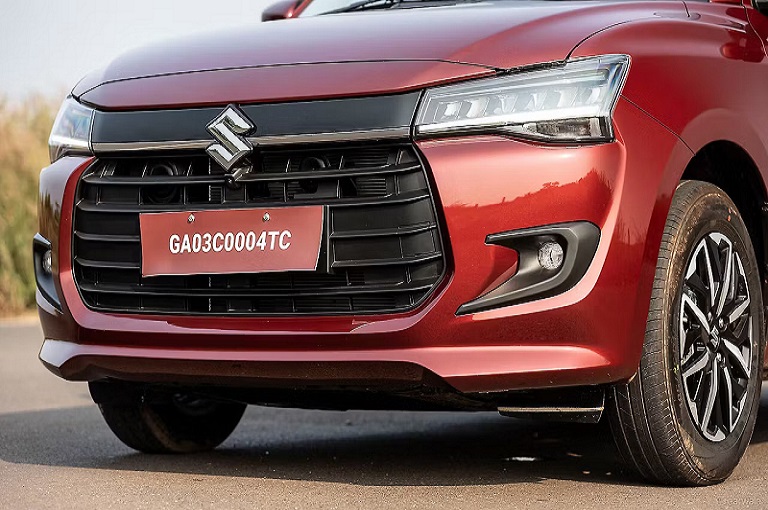
India’s largest automobile manufacturer, Maruti Suzuki, has officially increased the prices of its vehicles by up to Rs 30,000. The revised prices came into effect on June 14, 2026, following the company’s announcement in May. The decision has been attributed to rising input costs, increasing inflation, and higher manufacturing expenses.
The price revision affects several popular models across hatchback, sedan, SUV, MPV, and electric vehicle segments. Maruti Suzuki is not alone in this move, as major automakers including Tata Motors, Kia, Hyundai, and Mahindra have also announced vehicle price hikes in recent months.
Why Has Maruti Suzuki Increased Car Prices?
Maruti Suzuki stated that the automotive industry has been facing significant cost pressures due to rising raw material prices and operational expenses. Key materials such as steel, aluminum, plastics, and electronic components have become more expensive over the past year.
Additionally, higher transportation costs, supply chain challenges, and inflationary pressures have increased overall production expenses. While the company absorbed a portion of these costs for some time, it has now decided to pass part of the burden on to customers through revised vehicle prices.
Rising Raw Material Costs
One of the primary reasons behind the price increase is the surge in raw material prices. Automobile manufacturing heavily depends on metals and electronic components, both of which have witnessed substantial price increases globally.
Inflation Impact on Manufacturing
Persistent inflation has significantly impacted production costs. Labor expenses, logistics charges, and energy costs have all risen, forcing manufacturers to reassess pricing strategies.
Supply Chain Challenges
Global supply chain disruptions continue to affect the automotive sector. Delays in sourcing critical components and increased procurement costs have added pressure on manufacturers.
Which Maruti Suzuki Models Are Affected?
The price hike varies across different models and variants. While some vehicles have seen a minimal increase, others have experienced a substantial price revision.
Wagon R and Eeco Witness the Lowest Increase
Maruti Suzuki Wagon R and Eeco have received the smallest price hike among the company’s lineup. Prices of these vehicles have increased by approximately Rs 5,000.
This comes as a relief for budget-conscious buyers who consider these models for their affordability, reliability, and fuel efficiency.
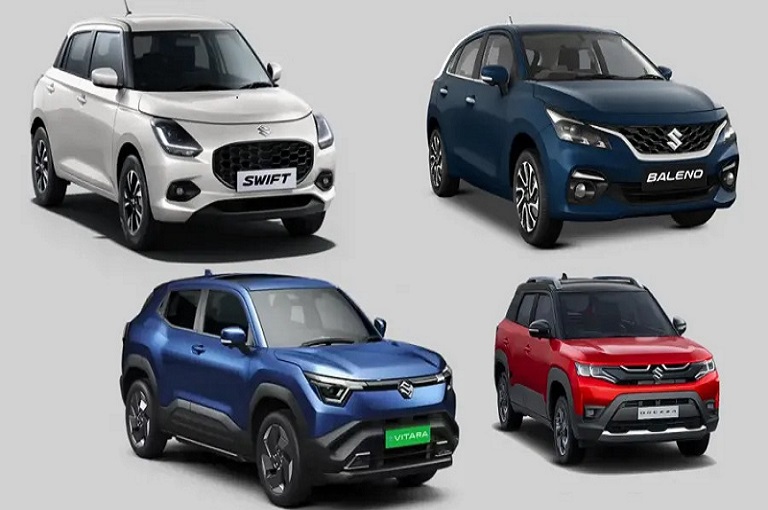
Swift and Dzire Become More Expensive
The highly popular Swift hatchback and Dzire sedan have also witnessed price increases. The exact hike depends on the selected variant and trim level.
Despite the increase, industry experts believe demand for these vehicles will remain strong due to their proven performance, fuel economy, and widespread customer trust.
Brezza and Grand Vitara See Higher Revisions
In the SUV category, Maruti Suzuki has revised the prices of Brezza and Grand Vitara. As SUVs continue to dominate consumer preferences, these models have experienced notable price adjustments.
The increase reflects the higher production costs associated with advanced safety features, premium interiors, and modern technology offerings.
E Vitara Receives the Highest Price Increase
Maruti Suzuki’s electric SUV, E Vitara, has recorded the highest price hike of up to Rs 30,000.
Electric vehicles rely heavily on battery technology and sophisticated electronic systems, both of which are expensive to manufacture. Rising battery costs have contributed significantly to the higher price adjustment for this model.
Complete List of Popular Maruti Suzuki Vehicles
Maruti Suzuki currently offers a diverse portfolio catering to different customer segments.
Hatchbacks
Alto K10
Wagon R
Celerio
S Presso
Swift
Baleno
Sedans
Dzire
SUVs
Brezza
Grand Vitara
Jimny
Fronx
MPVs
Eeco
Ertiga
XL6
Invicto
Electric Vehicles
E Vitara
Most of these vehicles have undergone some level of price revision under the latest announcement.
How Will the Price Hike Affect Customers?
The immediate impact of the price increase will be felt by customers planning to purchase a new vehicle. Buyers will now have to pay more compared to previous pricing structures.
Apart from the ex showroom price increase, associated costs such as insurance premiums, registration fees, road taxes, and financing expenses may also rise. As a result, the overall on road cost could increase significantly.
Increased Ownership Costs
Higher vehicle prices naturally lead to increased ownership expenses. Customers financing their purchases through loans may also witness slightly higher monthly installments.
Impact on First Time Buyers
First time car buyers and budget-conscious consumers are likely to be more affected by the price hike. Even a small increase can influence purchasing decisions within entry-level segments.
Is This the Right Time to Buy a Car?
Many automotive experts believe that customers planning to purchase a vehicle should evaluate their requirements carefully. Since production costs remain volatile, further price revisions cannot be ruled out in the future.
For buyers who have already finalized their vehicle choice, purchasing sooner rather than later may help avoid additional price increases if market conditions worsen.
Other Car Manufacturers Have Also Increased Prices
Maruti Suzuki is not the only company responding to rising costs. Several major automotive brands have announced similar price hikes.
Tata Motors Price Revision
Tata Motors increased the prices of its internal combustion engine passenger vehicles earlier in 2026. The company cited higher input costs as the primary reason behind the revision.
Kia Announces Vehicle Price Increase
Kia has also revised prices across multiple models. According to the company, increasing production expenses and inflationary pressures necessitated the adjustment.
Hyundai Follows Industry Trend
Hyundai has implemented price hikes across several models as well. Despite efforts to improve operational efficiency, the company faced mounting cost pressures that required pricing revisions.
Mahindra Raises SUV Prices
Mahindra announced a price increase for its SUV and commercial vehicle lineup from April 2026. The company reported an average increase of approximately 1.6 percent, with some models seeing hikes of up to 2.5 percent.
Impact of Inflation on the Indian Automobile Industry
The Indian automotive sector has been facing multiple challenges over the last few years. Global inflation, supply chain disruptions, and rising commodity prices have collectively increased manufacturing expenses.
Automobile companies are now finding it increasingly difficult to absorb these costs entirely. Consequently, periodic price revisions have become a common strategy across the industry.
Semiconductor and Electronics Costs
Modern vehicles rely heavily on electronic systems, sensors, and semiconductors. Increased costs in these areas have significantly influenced vehicle pricing.
Logistics and Transportation Expenses
Transportation and logistics expenses have risen sharply due to higher fuel costs and supply chain inefficiencies. These factors directly impact vehicle manufacturing and distribution.
Will Maruti Suzuki Sales Be Affected?
Industry analysts believe Maruti Suzuki’s strong brand reputation and extensive service network will help the company maintain healthy sales volumes despite the price increase.
The company enjoys a loyal customer base thanks to its fuel-efficient vehicles, affordable maintenance costs, and excellent resale value.
Strong Brand Trust
Maruti Suzuki remains one of the most trusted automotive brands in India. Many customers prioritize reliability and after-sales support over minor price fluctuations.
Continued Demand Across Segments
Demand for popular models such as Swift, Dzire, Wagon R, Brezza, and Ertiga is expected to remain strong because these vehicles continue to offer excellent value for money.
Urban vs Rural Market Impact
The impact of the price hike may vary between urban and rural markets.
Rural Market Sensitivity
Customers in rural regions tend to be more price-sensitive. Therefore, even modest price increases could influence purchasing decisions.
Urban Market Stability
Urban consumers often focus on features, safety technology, and brand value. As a result, they may be less affected by moderate price increases.
Could Car Prices Increase Further?
Industry experts warn that vehicle prices could continue to rise if inflation remains elevated and raw material costs keep increasing.
However, improvements in global supply chains, stabilization of commodity prices, and easing inflation could help manufacturers maintain more stable pricing in the future.
Conclusion
Maruti Suzuki’s decision to increase vehicle prices by up to Rs 30,000 marks a significant development in the Indian automotive market. While models like Wagon R and Eeco have experienced a relatively small increase of Rs 5,000, the electric E Vitara has witnessed the highest hike.
The move reflects the broader challenges facing the automotive industry, including rising production costs, inflation, and supply chain pressures. With Tata Motors, Kia, Hyundai, and Mahindra also increasing prices, consumers across India are likely to encounter higher vehicle costs in the coming months.
For prospective buyers, understanding these changes and planning purchases strategically will be crucial in making informed automotive decisions.
About The Author