This small chip installed in the ATM card is actually a mini computer, know how it protects your money.
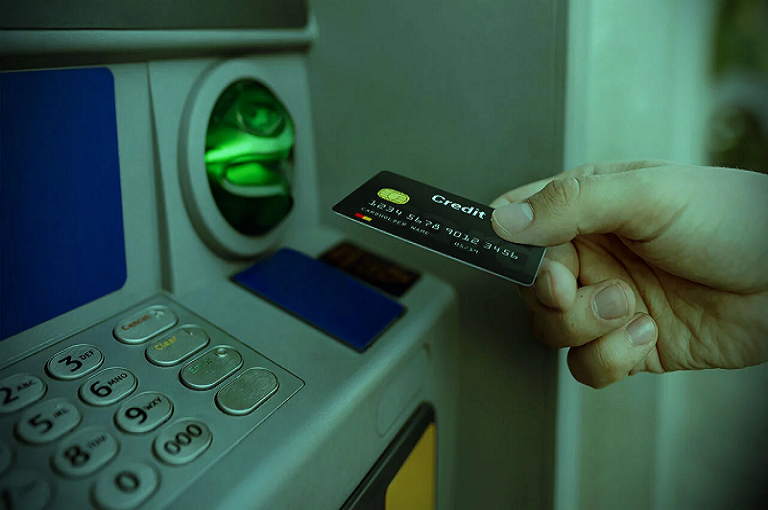
The Small Chip in Your Debit Card: A Mini Computer That Keeps Your Data Safe
Introduction: What Is This Chip?
Whenever you use a debit or ATM card, you might have noticed a small shiny square on the front side of the card. This is not just a design element — it’s a very important component called the EMV chip. It works like a mini computer that helps secure each of your transactions by generating encrypted codes and interacting with payment terminals in a secure way.
EMV stands for Europay, MasterCard, and Visa — the three financial giants that collaborated to create this secure technology standard. The chip was designed to protect cardholders from fraudulent activities, including fake carding, card cloning, and unauthorized access to financial data. Unlike traditional magnetic strips that store static information, the EMV chip processes dynamic, transaction-specific data, making it significantly harder for criminals to replicate or misuse the card.
With increasing cases of digital theft and financial fraud around the world, especially in developing nations, the adoption of EMV chips has become essential. These chips not only boost user confidence during electronic payments but also enhance global acceptance of debit and credit cards at various point-of-sale terminals.
Why Is the EMV Chip Important?
Earlier, debit cards had only a black magnetic strip on the back, which stored all the user’s data. But there was a major drawback — this strip could be easily cloned, which led to a rise in fraud and card duplication cases.
The EMV chip solved this issue. It generates a unique and temporary code for every transaction. Even if a hacker manages to steal that code, it cannot be reused, making card duplication nearly impossible.
How Does the Chip Work?
When you insert your card into a machine (this process is called “dipping”), the machine and the card’s chip begin to communicate. The chip then creates a new, encrypted code for that specific transaction — a code that is valid only once.
In contrast, old magnetic strip cards would send the same data every time, which made them vulnerable to duplication.
Contactless Payments: Tap to Pay
Most modern debit cards now come with NFC (Near Field Communication) technology. These cards don’t need to be inserted — you simply tap the card on the machine to make a payment.
Even during tap payments, the EMV chip remains active and creates a new secure code for every transaction. So contactless payments are also fully secure.
What Happens to the Chip When the Card Expires?
When your debit card expires, the bank digitally deactivates the card and its chip. That means while the chip may still be physically present on the card, it can no longer connect to the bank’s system and cannot be used for any transaction.
For safety, it’s recommended that you cut your card into small pieces, especially the part with the chip, before discarding it. This ensures no one can misuse your old card.
Why Was the Chip Introduced?
The main purpose behind introducing the EMV chip was enhanced security. In countries like India, where card cloning incidents were on the rise, this chip technology played a big role in reducing fraud.
Additionally:
- It prevents the creation of fake cards.
- It makes your card globally acceptable — many international stores and ATMs now only accept chip cards.
- It protects against both online and offline fraud.
Conclusion
That tiny chip you see on your debit or ATM card is actually a powerful microprocessor. It secures every transaction, prevents card cloning, and makes banking safer and more reliable.
In today’s digital era, where cyber fraud is increasing rapidly, technologies like this not only enhance our convenience but also protect our money and identity.
About The Author