Yograj Singh’s support to Gautam Gambhir: “Stop criticizing, give respect”
Questions Raised After Leeds Test Defeat
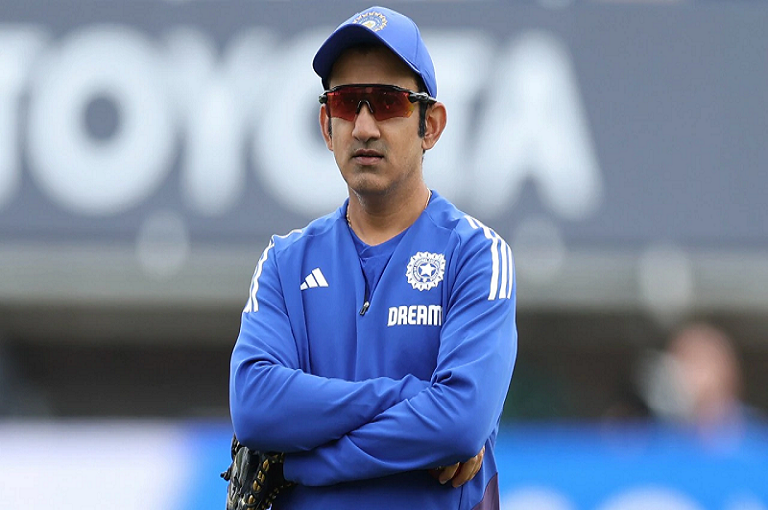
India suffered a 5-wicket loss to England in the third Test at Leeds. Following that defeat, the team’s newly appointed head coach Gautam Gambhir faced intense scrutiny and criticism—on social media and among former players—for team selection, combination, and strategic decisions.
Spectacular Comeback at Edgbaston
However, in the very next Test at Edgbaston, Team India responded brilliantly by defeating England by a massive margin of 336 runs, leveling the five-match series at 1–1. Gambhir’s strategic vision, the team’s resilience, and Shubman Gill’s leadership shifted the narrative—quelling critics and earning acclaim.
Former cricketer Yograj Singh publicly defended head coach Gautam Gambhir, emphasizing that he deserves support, not criticism. Yograj said:
“We should not speak about Gautam Gambhir because he is doing very well. Gambhir, Yuvraj Singh, and Rahul Dravid are giving back to Indian cricket…”
He added that players are steadily improving and urged fans and media to stand by the team:
“…even if our team loses the series, we should not demoralize them. If you lose, you will not be there to explain; if you win, you don’t have to explain.”
A Call to Appreciate Players’ Effort
Yograj also pointed out that abuse—verbal or otherwise—toward players is unacceptable:
“Players should never be abused… Nothing should be said about the player.”
Praising Captain Shubman Gill’s Leadership
He praised Shubman Gill for his captaincy and performance, noting that the team can still win the series under his guidance. He also said India’s fielding improved significantly in Birmingham, which was key to their success.
Supporting Gambhir’s Strategic Decisions
Despite the criticism after the Leeds match, Gambhir’s tactics in Birmingham—such as flexible batting order and effective bowling deployment—proved decisive. Yograj emphasized that Gambhir’s instinctively aggressive coaching is exactly what’s needed to drive the team forward.
Challenging Media and Fan Impulsiveness
Yograj cautioned that in today’s fast-paced media landscape, there’s a habit of jumping to conclusions after just one bad performance. He stressed that sensational headlines and knee-jerk criticism can severely damage team morale and the self-belief of individual players. The media’s relentless scrutiny often turns a momentary setback into a crisis, influencing public perception before teams have a chance to regroup.
He called for more responsible reporting—suggesting that the press should prioritize balanced, contextual analysis over sensationalism. Instead of focusing on isolated failures, he urged a deeper understanding of team dynamics and long-term trends.
Yograj also highlighted the fans’ power in shaping the atmosphere. He appealed to supporters to temper their reactions, even when emotions run high. After all, players are human—not machines—and harsh backlash can break their spirit. He suggested that a supportive, patient approach builds a stronger team, capable of enduring the ups and downs of international sport.
Conclusion: Support, Patience, and Balance Are Necessary
Indian cricket is in a transitional phase—youthful players stepping into leadership, new coaching directions being tested. At such times, encouragement from veterans like Gautam Gambhir, Rahul Dravid, and Yuvraj Singh becomes vital. Yograj Singh’s appeal underscores the importance of respect, resilience, and measured critique—elements essential for the team’s sustained success on the global stage.
In today’s fast-paced media era, a single loss can instantly turn into widespread criticism. Especially when criticism spreads rapidly on social media, it not only undermines the confidence of coaches and players but also affects the unity of the team.
In the upcoming matches, both victories and defeats are possible—but it’s crucial to respond with restraint when things don’t go our way. Yograj Singh has explicitly stated that a coach like Gautam Gambhir is “doing a very good job” at this moment and “deserves support.”
Moreover, under Shubman Gill’s captaincy, the team has gained confidence and improved its fielding—an encouraging sign for the future. This improvement clearly shows that the coaching staff’s strategies are working.
It is essential for viewers and the media to maintain a balanced perspective—one that respects the team’s plans, discusses problems at the right time, but refrains from criticizing when circumstances are unstable or developing. Such a thoughtful approach will help steer Indian cricket toward long‑term success.
About The Author